


Surprising Causes for Bad Breath in Children and How to Treat Them
Imagine giving your child a goodnight hug and noticing an unpleasant smell on their breath. You remind them to brush their teeth, expecting the problem to disappear by morning. But the bad breath is still there. If this sounds familiar, you’re not alone.
Bad breath in children, also known as halitosis, is a common concern for parents. While poor brushing habits are often the cause, persistent bad breath can sometimes point to underlying dental or medical issues that need attention. The good news is that most cases are treatable with the right care and early diagnosis.
In this guide, you’ll learn the most common and surprising causes of bad breath in children, practical ways to treat it, and when it’s time to visit a pediatric dentist.
What Is Bad Breath in Children?
Bad breath is a persistent unpleasant odor coming from the mouth. Temporary bad breath after eating foods like garlic or onions, or first thing in the morning, is completely normal. However, if your child’s breath continues to smell bad despite brushing and drinking water, it may indicate a deeper problem.
Quick Answer
The most common causes of bad breath in children include:
- Poor oral hygiene
- Food trapped between teeth
- Cavities
- Bacteria on the tongue
- Dry mouth
- Mouth breathing
- Sinus infections
- Tonsil stones
- Gum inflammation
Most of these problems can be treated with good oral hygiene and regular professional dental care.
Is Bad Breath in Children Normal?
Occasional bad breath is nothing to worry about. It may happen:
- After waking up in the morning
- After eating strong-smelling foods
- When your child skips brushing
- During a cold or mild illness
- If they haven’t been drinking enough water
However, if bad breath lasts for several days or keeps returning despite proper brushing, it should not be ignored. Persistent bad breath may be caused by tooth decay, gum disease, bacterial buildup, sinus infections, or tonsil problems. A pediatric dentist can identify the exact cause and recommend the right treatment.
Common Signs Parents Should Watch For
Besides unpleasant breath, watch for these symptoms:
- White coating on the tongue
- Bleeding or swollen gums
- Tooth pain or sensitivity
- Visible cavities
- Dry mouth or cracked lips
- Frequent mouth breathing
- Bad taste in the mouth
- Swollen tonsils
If your child has several of these signs along with persistent bad breath, it’s time to schedule a dental evaluation.
Surprising Causes of Bad Breath in Children
Many parents assume bad breath only means their child forgot to brush. While poor oral hygiene is a major cause, several other hidden factors may also be responsible.
1. Poor Oral Hygiene
The most common cause of bad breath is inadequate brushing and flossing. Food particles left on the teeth, gums, and tongue allow bacteria to produce sulfur compounds that create unpleasant odors.
How to Help
- Brush twice daily with fluoride toothpaste.
- Floss once a day.
- Gently clean the tongue.
- Replace toothbrushes every three months.
- Schedule professional dental cleanings every six months.
2. Food Trapped Between Teeth
Even children who brush regularly can develop bad breath if tiny food particles remain stuck between their teeth. As bacteria break down trapped food, unpleasant odors develop.
Foods like popcorn, bread, meat, apples, and sticky candy commonly become trapped between teeth.
Prevention Tips
- Teach your child to floss every day.
- Encourage rinsing with water after meals.
- Schedule routine dental cleanings.
3. A Coated Tongue
The tongue collects bacteria, food debris, and dead cells throughout the day. A thick white or yellow coating can become a major source of persistent bad breath.
Treatment
- Brush the tongue gently every day.
- Use a child-friendly tongue scraper if recommended.
- Encourage plenty of water to reduce bacterial buildup.
4. Dry Mouth
Saliva naturally cleans the mouth by washing away bacteria. When children become dehydrated, sleep with their mouths open, or take certain medications, saliva production decreases and bacteria multiply more quickly. Signs include dry lips, constant thirst, a sticky mouth, and persistent bad breath. Encourage your child to drink water regularly and speak with your pediatric dentist if dry mouth continues.
5. Cavities and Tooth Decay
Persistent bad breath can sometimes be one of the earliest signs of a cavity. When bacteria enter a damaged tooth, they feed on sugars and produce acids that cause decay. As the cavity worsens, bacteria continue to grow, creating an unpleasant odor.
Warning Signs
- Tooth sensitivity
- Pain while eating
- Dark spots on teeth
- Food frequently getting stuck
- Ongoing bad breath
Treating cavities early not only eliminates the odor but also prevents more serious dental problems.
Other Hidden Causes of Bad Breath
Mouth Breathing
Many children breathe through their mouths while sleeping because of allergies, nasal congestion, or enlarged adenoids. Mouth breathing dries out the mouth, reducing saliva that normally washes away bacteria. As a result, bad breath often becomes worse, especially in the morning.
If your child frequently snores, sleeps with an open mouth, or has dry lips, discuss these symptoms with your pediatric dentist or pediatrician.
Tonsil Stones
Tonsil stones are small deposits of bacteria, food particles, and mucus that collect in the tonsils. They may cause persistent bad breath, sore throat, white spots on the tonsils, or difficulty swallowing.
Small tonsil stones often improve with good oral hygiene and hydration, while larger or recurring stones may require medical evaluation.
Sinus Infections
Children with allergies, frequent colds, or sinus infections may experience bad breath because mucus drains into the back of the throat, allowing bacteria to grow. If your child has bad breath along with a stuffy nose, thick nasal discharge, or a cough lasting more than 10 days, consult your healthcare provider.
Gum Inflammation (Gingivitis)
Plaque buildup along the gumline can irritate the gums, causing redness, swelling, bleeding, and unpleasant breath. Fortunately, gingivitis is usually reversible with proper brushing, flossing, and regular professional cleanings.
How Pediatric Dentists Diagnose Bad Breath
A pediatric dentist looks beyond the odor itself to identify the underlying cause. During your child’s visit, they may:
- Review medical and dental history
- Examine the teeth for cavities
- Check the gums for inflammation
- Look for plaque and tartar buildup
- Evaluate the tongue and tonsils
- Review oral hygiene habits
- Recommend referral to a pediatrician or ENT specialist if needed
Finding the root cause allows your child to receive the most effective treatment rather than simply masking the symptoms.
Treatment Options
Treatment depends on the cause of your child’s bad breath.
If poor oral hygiene is responsible, your dentist may recommend better brushing and flossing techniques, daily tongue cleaning, fluoride toothpaste, and regular dental cleanings.
If cavities are found, early treatment with tooth-colored fillings or other restorative care can eliminate bacteria and protect the affected tooth.
For dry mouth, encourage your child to drink plenty of water throughout the day and limit sugary drinks. If allergies, sinus infections, or enlarged tonsils are contributing to the problem, your pediatrician or ENT specialist may recommend additional treatment.
How Parents Can Prevent Bad Breath
Simple daily habits can help keep your child’s breath fresh and smile healthy.
✔ Brush teeth twice a day for two minutes.
✔ Floss once every day.
✔ Clean the tongue gently.
✔ Encourage your child to drink plenty of water.
✔ Limit sugary snacks and drinks.
✔ Serve a balanced diet rich in fruits and vegetables.
✔ Replace toothbrushes every three months.
✔ Schedule professional dental checkups and cleanings every six months.
When Should You See a Pediatric Dentist?
Schedule a dental appointment if your child’s bad breath:
- Lasts longer than one week despite good oral hygiene
- Keeps coming back frequently
- Is accompanied by tooth pain
- Occurs with swollen or bleeding gums
- Is associated with visible cavities
- Includes white spots on the tonsils
- Makes eating or swallowing difficult
Early treatment helps prevent minor problems from becoming more serious and protects your child’s long-term oral health.
Conclusion
Bad breath in children is usually easy to treat once the underlying cause is identified. While poor oral hygiene is the most common reason, cavities, dry mouth, mouth breathing, gum inflammation, sinus infections, and tonsil stones can also contribute to persistent bad breath.
If your child’s bad breath continues despite brushing and good oral care, don’t ignore it. A professional evaluation can identify the cause early and provide the right treatment before the problem becomes more serious.
At Smile Explorers Pediatric Dentistry, we’re committed to helping children enjoy healthy smiles and fresh breath through gentle, personalized care. Schedule your child’s dental visit today and let our team help keep their smile bright, healthy, and confident.
Is My Child Too Young for Teeth Cleaning?
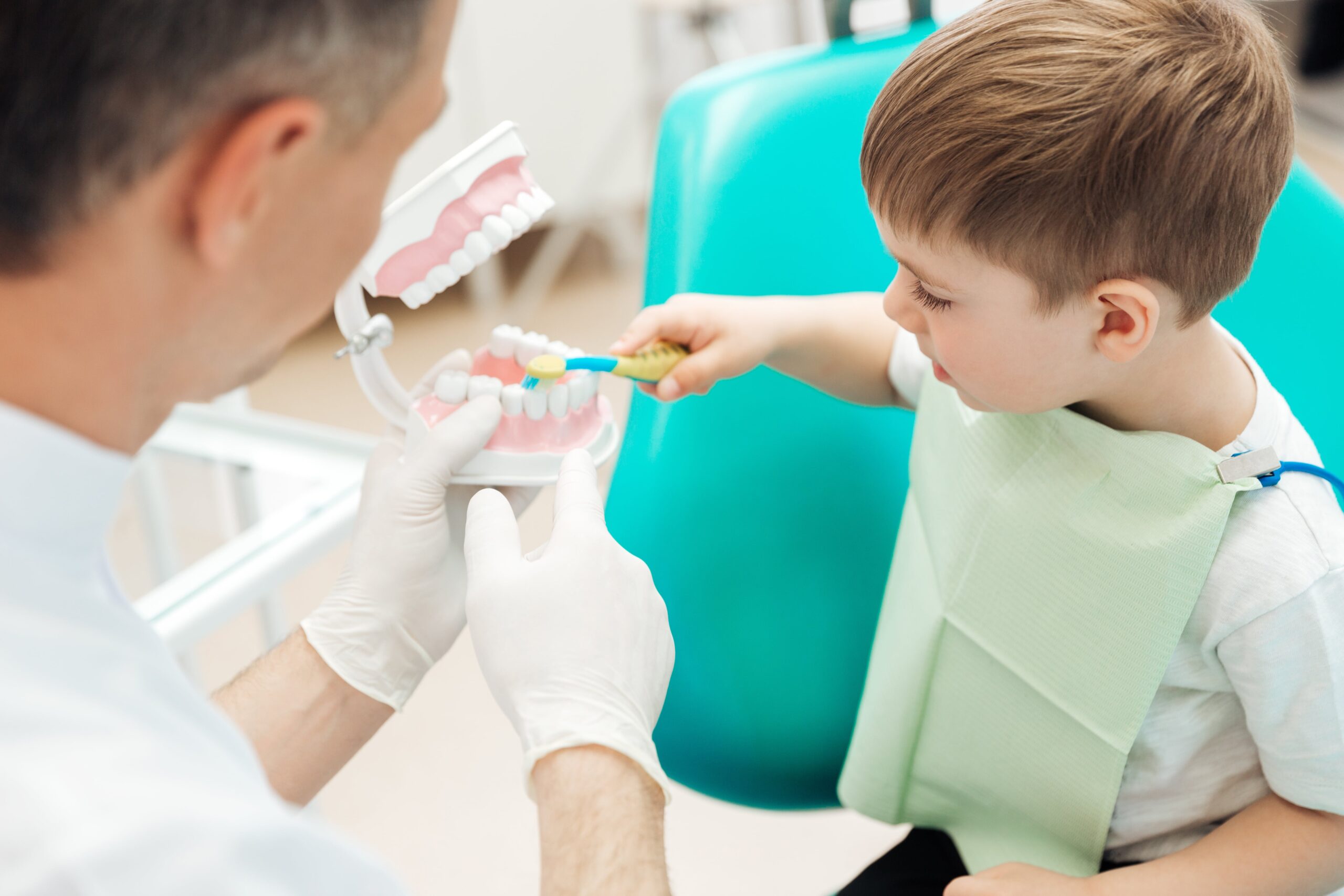
As a parent, you naturally want the best for your child’s health, including their smile. One of the most common questions parents ask is, “Is my child too young for teeth cleaning?” Many believe professional dental cleanings should wait until all the baby teeth have erupted or until children begin school. However, pediatric dental experts recommend starting much earlier.
Professional teeth cleanings are an essential part of preventive dental care. Even with regular brushing and flossing, plaque and bacteria can build up in hard-to-reach areas, increasing the risk of cavities and gum problems. Early dental visits also allow your pediatric dentist to monitor your child’s oral development and provide guidance that helps establish healthy habits for life.
At Smile Explorers Pediatric Dentistry, we believe every child deserves a fun, gentle, and stress-free dental experience. Whether your baby has just gotten their first tooth or your toddler is ready for their first cleaning, our experienced team is here to make every visit comfortable and enjoyable.
Why Professional Teeth Cleanings Matter
Daily brushing is important, but it cannot remove hardened plaque (tartar). Professional cleanings safely remove plaque and tartar while helping prevent future dental problems.
Some of the biggest benefits include:
- Removing plaque and tartar buildup
- Lowering the risk of cavities
- Keeping gums healthy
- Protecting baby teeth
- Detecting dental issues early
- Encouraging lifelong oral hygiene habits
- Giving parents personalized dental care advice
Healthy baby teeth are important because they help children chew properly, speak clearly, and guide permanent teeth into the correct position.
When Should My Child Have Their First Teeth Cleaning?
According to the American Academy of Pediatric Dentistry (AAPD), children should visit a pediatric dentist by their first birthday or within six months after their first tooth appears. During this visit, the dentist will examine your child’s mouth and may perform a gentle professional cleaning if needed.
General Age Guide
| Child’s Age | Recommended Dental Care |
|---|---|
| 6–12 months | First dental visit after the first tooth appears. |
| Around 1 year | Oral examination and gentle cleaning if recommended. |
| 1–3 years | Regular dental checkups and preventive cleanings. |
| 3+ years | Routine cleanings every six months for most children. |
Since every child develops differently, your pediatric dentist will recommend the most appropriate schedule based on your child’s individual oral health needs.
Is My Child Ever Too Young for Teeth Cleaning?
The simple answer is No.
If your child has teeth, they can benefit from professional dental care. Cleanings for babies and toddlers are very different from adult cleanings. They are gentle, quick, and focused on prevention rather than treatment.
During an early dental visit, your pediatric dentist may:
- Check healthy tooth development
- Remove soft plaque buildup
- Examine the gums
- Look for early signs of cavities
- Discuss brushing and feeding habits
- Help your child become comfortable with dental visits
These early positive experiences reduce dental anxiety and help children feel confident about future appointments.
Signs Your Child May Need a Professional Cleaning
Even if your child brushes every day, they may still benefit from a professional cleaning. Watch for these common signs:
- White or yellow plaque on the teeth
- Persistent bad breath
- Red or swollen gums
- Brown or white spots on teeth
- Bleeding while brushing
- Tooth sensitivity
- Visible tartar near the gumline
If you notice any of these symptoms, schedule a dental visit as soon as possible. Early treatment is usually easier, faster, and more comfortable than treating advanced dental problems.
What Happens During Your Child’s First Cleaning?
Many parents worry their child will be scared during a dental appointment. At Smile Explorers Pediatric Dentistry, children’s comfort always comes first. First cleanings are designed to be gentle, educational, and fun.
During the appointment, your pediatric dental team may:
- Count and examine your child’s teeth
- Check the gums and jaw development
- Remove plaque and soft tartar
- Gently polish the teeth when appropriate
- Apply fluoride treatment if recommended
- Discuss brushing, flossing, and healthy eating habits with parents
The goal is not only to clean your child’s teeth but also to create a positive dental experience that encourages healthy habits for years to come.
How Often Should Children Get Their Teeth Cleaned?
After your child’s first dental visit, one of the most common questions parents ask is, “How often should my child have professional teeth cleanings?” For most children, pediatric dentists recommend a professional cleaning and dental examination every six months. These routine visits help remove plaque and tartar, monitor oral development, and detect small dental problems before they become serious.
Some children may need more frequent cleanings if they have a history of cavities, wear braces, consume sugary foods often, or have difficulty brushing and flossing effectively. Your pediatric dentist will recommend a schedule based on your child’s specific oral health needs.
Why Baby Teeth Matter
Many parents think baby teeth aren’t important because they eventually fall out. In reality, baby teeth play a vital role in your child’s growth and development.
Healthy baby teeth help children:
- Chew food properly for good nutrition
- Speak clearly as language develops
- Maintain space for permanent teeth
- Support healthy jaw growth
- Build lifelong oral hygiene habits
If baby teeth are lost too early due to decay, nearby teeth may shift into the empty space, increasing the risk of crowding and alignment problems when permanent teeth erupt. Protecting baby teeth today helps create a healthier smile for the future.
Preparing Your Child for Their First Dental Cleaning
A little preparation can make your child’s first dental visit much more enjoyable.
Here are a few helpful tips:
- Talk positively about the dentist using encouraging words.
- Read children’s books or watch videos about dental visits.
- Play “dentist” at home by counting teeth or brushing a stuffed animal’s teeth.
- Choose a morning appointment when your child is well-rested.
- Bring a favorite toy or blanket to help them feel comfortable.
Children often copy their parents’ emotions, so staying calm and positive can help reduce anxiety.
Common Myths About Pediatric Teeth Cleaning
Parents often hear conflicting advice about children’s oral health. Here are a few common myths.
Myth: Baby teeth don’t need much care.
Fact: Baby teeth are essential for eating, speaking, and guiding permanent teeth.
Myth: Brushing alone is enough.
Fact: Professional cleanings remove plaque and tartar that brushing cannot.
Myth: Dental cleanings are painful.
Fact: Pediatric cleanings are gentle, comfortable, and designed specifically for children.
Home Care Tips Between Dental Visits
Professional cleanings work best when combined with good oral hygiene at home.
Help your child maintain a healthy smile by:
- Brushing twice daily with fluoride toothpaste
- Flossing once teeth begin touching
- Limiting sugary snacks and drinks
- Encouraging water instead of sweet beverages
- Replacing toothbrushes every three months
- Keeping regular dental checkups
These simple daily habits significantly reduce the risk of cavities and gum disease.
Conclusion
The answer is simple—if your child has teeth, they are not too young for professional dental care. Early dental cleanings help prevent cavities, support healthy oral development, and create positive dental experiences that encourage lifelong oral hygiene habits.
By combining regular professional cleanings with daily brushing, flossing, and healthy eating habits, you can give your child the strongest foundation for a lifetime of healthy smiles. Preventive care is always easier and more affordable than treating dental problems after they develop.
Schedule Your Child’s Visit at Smile Explorers Pediatric Dentistry
At Smile Explorers Pediatric Dentistry, we’re dedicated to providing gentle, compassionate, and child-friendly dental care for every stage of your child’s development. Whether it’s your baby’s first dental visit or a routine cleaning, our experienced team is committed to making every appointment fun, comfortable, and educational.
Schedule your child’s professional teeth cleaning today and help them build a healthy, confident smile that lasts a lifetime.
How Does Chewing Gum Affect My Child’s Teeth?
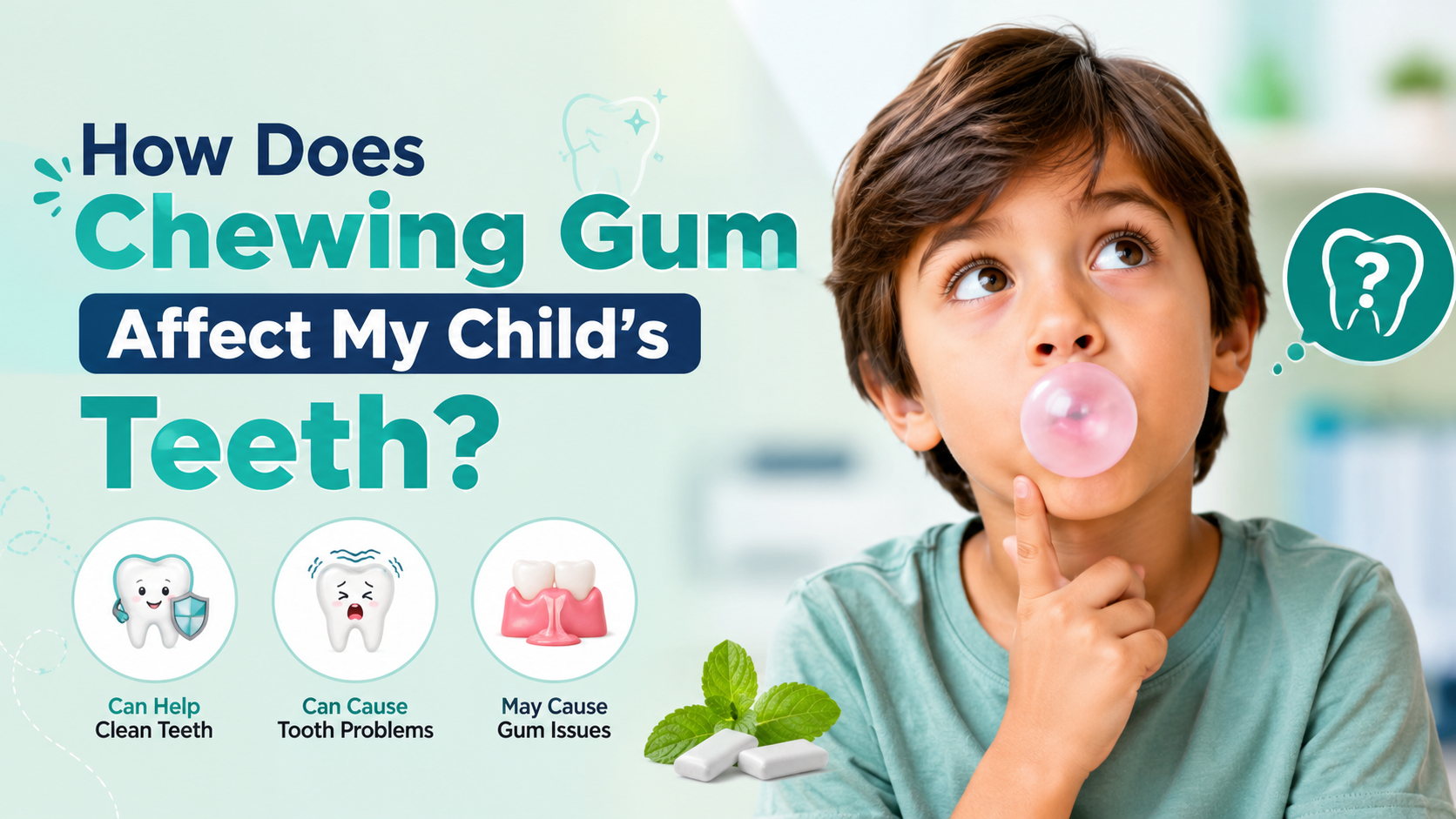
It happens more often than you might think. You’re standing in the grocery store checkout line when your child points to a pack of colorful chewing gum and asks, “Can I have one?” It seems like a simple request, but many parents hesitate because they’re unsure whether chewing gum is actually good for growing teeth.
The truth is, there isn’t a simple yes-or-no answer. How does chewing gum affect my child’s teeth? The answer depends on the type of gum your child chews, how often they chew it, and whether they already have healthy oral habits. While some sugar-free chewing gums can actually support dental health, sugary gum can increase the risk of cavities if consumed regularly.
As parents, understanding the difference can help you make better choices that protect your child’s smile while still allowing them to enjoy an occasional treat.
Is Chewing Gum Good or Bad for Children’s Teeth?
Chewing gum isn’t automatically harmful. In fact, pediatric dentists often recommend sugar-free gum for older children after meals because it encourages saliva production. Saliva plays a vital role in protecting teeth by washing away leftover food particles, neutralizing acids, and delivering important minerals that strengthen enamel.
However, chewing gum that contains sugar has the opposite effect. Harmful bacteria in the mouth feed on sugar and produce acids that slowly wear away tooth enamel, increasing the risk of cavities.
|
Type of Chewing Gum |
Effect on Children’s Teeth |
|
Sugar-Free Gum (Xylitol) |
Helps increase saliva and may reduce cavity risk |
|
Sugary Gum |
Increases bacteria and promotes tooth decay |
Choosing the right type of gum makes all the difference.
How Sugar-Free Chewing Gum Benefits Your Child’s Teeth
Many parents are surprised to learn that chewing sugar-free gum can actually offer several oral health benefits when used correctly.
Increases Saliva Production
One of the biggest benefits of chewing gum is that it stimulates saliva flow. Saliva is the mouth’s natural defense system. It rinses away food debris, neutralizes harmful acids, and helps keep the mouth clean between brushing sessions.
Helps Protect Tooth Enamel
Every time your child eats sugary or starchy foods, acids attack their tooth enamel. Increased saliva helps restore minerals like calcium and phosphate, making enamel stronger and more resistant to decay.
Helps Wash Away Food Particles
Children often snack throughout the day, and tiny food particles can remain trapped between teeth. Chewing sugar-free gum after meals can help loosen and wash away some of these particles until brushing is possible.
Freshens Breath
Bad breath in children is often caused by leftover food or bacteria. Sugar-free gum temporarily freshens breath while increasing saliva that naturally cleans the mouth.
The Risks of Sugary Chewing Gum
Not all chewing gum is created equal.
Traditional chewing gums made with sugar provide food for harmful bacteria. These bacteria produce acids that gradually weaken enamel and create cavities.
Frequent chewing of sugary gum may also:
- Increase plaque buildup
- Raise the risk of tooth decay
- Leave sticky sugar on teeth
- Encourage frequent sugar cravings
If your child enjoys chewing gum regularly, switching to a sugar-free option is a much healthier choice.
Why Xylitol Is Recommended by Many Dentists
One ingredient you’ll often see in sugar-free gum is xylitol, a naturally occurring sweetener.
Unlike regular sugar, xylitol cannot be used by cavity-causing bacteria to produce harmful acids. Research suggests that xylitol may even reduce the amount of harmful bacteria in the mouth over time.
Some benefits of xylitol gum include:
- Helps reduce cavity-causing bacteria
- Encourages healthy saliva flow
- Supports stronger tooth enamel
- Helps lower the risk of tooth decay
While xylitol gum can be beneficial, it should still be used as part of a complete oral hygiene routine—not as a replacement for brushing or flossing.
At What Age Can Children Safely Chew Gum?
Every child develops differently, but many pediatric dentists recommend waiting until a child is around 4 to 5 years old before introducing chewing gum.
Before giving your child gum, make sure they can:
- Understand not to swallow gum
- Chew safely without choking
- Follow simple instructions
- Dispose of gum properly after chewing
Children younger than this may accidentally swallow gum or have difficulty chewing it safely.
How Long Should Children Chew Gum?
Moderation is important.
Experts generally recommend chewing sugar-free gum for 10 to 20 minutes after meals. This provides enough time to stimulate saliva without placing unnecessary stress on the jaw muscles.
Chewing gum all day isn’t recommended, as excessive chewing may lead to jaw discomfort in some children.
Can Chewing Gum Replace Brushing?
Absolutely not.
Although sugar-free gum offers several oral health benefits, it cannot remove plaque the way brushing and flossing can.
A healthy dental routine should always include:
- Brushing twice a day with fluoride toothpaste
- Flossing once daily
- Drinking plenty of water
- Eating a balanced diet
- Visiting a pediatric dentist every six months
Chewing gum should simply be viewed as an extra tool—not the main solution for keeping teeth healthy.
Tips for Parents Choosing Chewing Gum
If you decide to let your child chew gum, keep these simple tips in mind:
- Choose sugar-free gum with xylitol whenever possible.
- Avoid gum that contains added sugar.
- Limit chewing to after meals.
- Teach children never to swallow gum.
- Supervise younger children while chewing.
- Continue regular brushing and flossing every day.
Making smart choices today can help protect your child’s smile for years to come.
Final Thoughts
So, how does chewing gum affect your child’s teeth? The answer depends on the kind of gum they chew and how it’s used. Sugar-free gum—especially varieties made with xylitol—can help stimulate saliva, protect tooth enamel, and support better oral health when chewed after meals. On the other hand, sugary gum can contribute to cavities and should be limited.
Chewing gum should never replace brushing, flossing, or regular dental visits, but it can be a helpful addition to a healthy oral care routine. By choosing the right gum and encouraging good dental habits, parents can help their children enjoy strong, healthy smiles as they grow.
Caring for Your Child’s Smile with Smile Explorers
At Smile Explorers Pediatric Dentistry, we believe that healthy habits start early. Our experienced pediatric dental team is here to answer your questions, provide preventive care, and help your child develop lifelong oral health habits in a fun and comfortable environment.
Whether your child needs a routine dental checkup, cavity prevention, fluoride treatment, or personalized dental advice, we’re here to help every step of the way.
Schedule an appointment with Smile Explorers Pediatric Dentistry today and give your child the healthy, confident smile they deserve.
Thumb Sucking: When Is It Time to Stop?
If you’ve ever caught your child happily sucking their thumb while falling asleep or watching their favourite show, you’re not alone. Thumb sucking is one of the most common habits in babies and young children, and it’s usually nothing to worry about.
In fact, many babies begin sucking their thumbs before they’re even born. For little ones, it’s a natural way to feel safe, calm, and comforted. The challenge for many parents is knowing when thumb sucking is simply a normal childhood habit—and when it may start affecting their child’s smile.
Why Do Children Suck Their Thumbs?
Babies are born with a natural sucking reflex. While this reflex helps them feed, it also gives them a sense of security. As children grow, they may continue sucking their thumb when they’re tired, anxious, bored, or trying to soothe themselves before bedtime.
Some children stop on their own by the time they’re toddlers, while others continue the habit a little longer. Every child is different, and that’s completely normal.
So, When Should Parents Be Concerned?
Here’s the reassuring news: most children naturally stop thumb sucking between the ages of 2 and 4.
If your child is still sucking their thumb occasionally during these early years, there’s usually no need to panic. Pediatric dentists understand that many children outgrow the habit without any intervention.
However, if thumb sucking continues after age 4 or once the permanent front teeth begin to erupt—typically around ages 5 or 6—it may be time for a conversation with your pediatric dentist.
Can Thumb Sucking Really Affect Teeth?
It can—but not every child who sucks their thumb will develop dental problems.
The biggest factors are how often, how long, and how firmly your child sucks their thumb. An occasional thumb sucker is much less likely to experience changes than a child who sucks their thumb for several hours every day or throughout the night.
Over time, persistent thumb sucking may contribute to:
- Teeth that begin to move out of alignment
- An open bite, where the upper and lower front teeth don’t meet
- Changes in jaw growth
- Bite problems that may require orthodontic treatment later
- Speech difficulties in some children
The earlier the habit is addressed, the less likely it is to affect your child’s developing smile.
Signs It May Be Time to Help Your Child Stop
Many parents ask us, “How do I know if it’s time?”
You may want to start encouraging your child to stop if:
- They’re older than 4 years.
- Permanent teeth are starting to appear.
- Thumb sucking happens throughout the day or every night.
- You notice changes in the way their teeth fit together.
- Your child wants to stop but struggles to break the habit.
If you’re unsure, your pediatric dentist can evaluate your child’s teeth and let you know whether the habit is affecting their oral development.
Gentle Ways to Help Your Child Break the Habit
Breaking a comforting habit takes patience. The goal isn’t to punish your child—it’s to support them.
Focus on Positive Encouragement
Children respond much better to praise than criticism. Celebrate small victories, whether it’s an afternoon without thumb sucking or falling asleep without the habit. Sticker charts or simple rewards can make the process fun rather than stressful.
Look for the Trigger
Does your child suck their thumb when they’re tired? Nervous? Watching television?
Understanding why they suck their thumb can help you replace the habit with another comforting activity, like reading together, cuddling with a favourite stuffed animal, or holding a soft blanket.
Keep Little Hands Busy
When children are engaged, they’re less likely to suck their thumbs. Crafts, colouring, puzzles, building blocks, and outdoor play are all great ways to keep little hands occupied.
Be Patient
Breaking a habit doesn’t happen overnight. Gentle reminders are much more effective than scolding or punishment, which can sometimes increase anxiety and make the habit harder to stop.
When Should You Visit a Pediatric Dentist?
Many parents wait until they notice crooked teeth before asking about thumb sucking, but it’s better to seek advice early.
A pediatric dentist can:
- Monitor how your child’s teeth and jaws are developing.
- Check whether thumb sucking is affecting their bite.
- Offer personalised tips based on your child’s age and habits.
- Recommend treatment only if it’s truly necessary.
Early guidance can often prevent more complicated dental or orthodontic issues in the future.
Every Child Develops at Their Own Pace
One of the most important things parents should remember is that thumb sucking isn’t a sign that something is wrong. For most children, it’s simply a comforting habit they eventually outgrow.
If your child needs a little extra help, that’s okay too. With patience, encouragement, and support from your pediatric dentist, most children are able to stop thumb sucking without tears or frustration.
The goal isn’t perfection—it’s protecting your child’s healthy, growing smile.
Let Smile Explorers Help
If you have questions about thumb sucking or you’re wondering whether it’s affecting your child’s teeth, we’re here to help.
At Smile Explorers Pediatric Dentistry, we believe every child deserves a positive dental experience. During regular checkups, we can monitor your child’s oral development, answer your questions, and provide gentle guidance that fits your family’s needs. Together, we can help your child grow into a confident, healthy smile.
Baby Teething: Signs, Symptoms & Treatment for Your Child
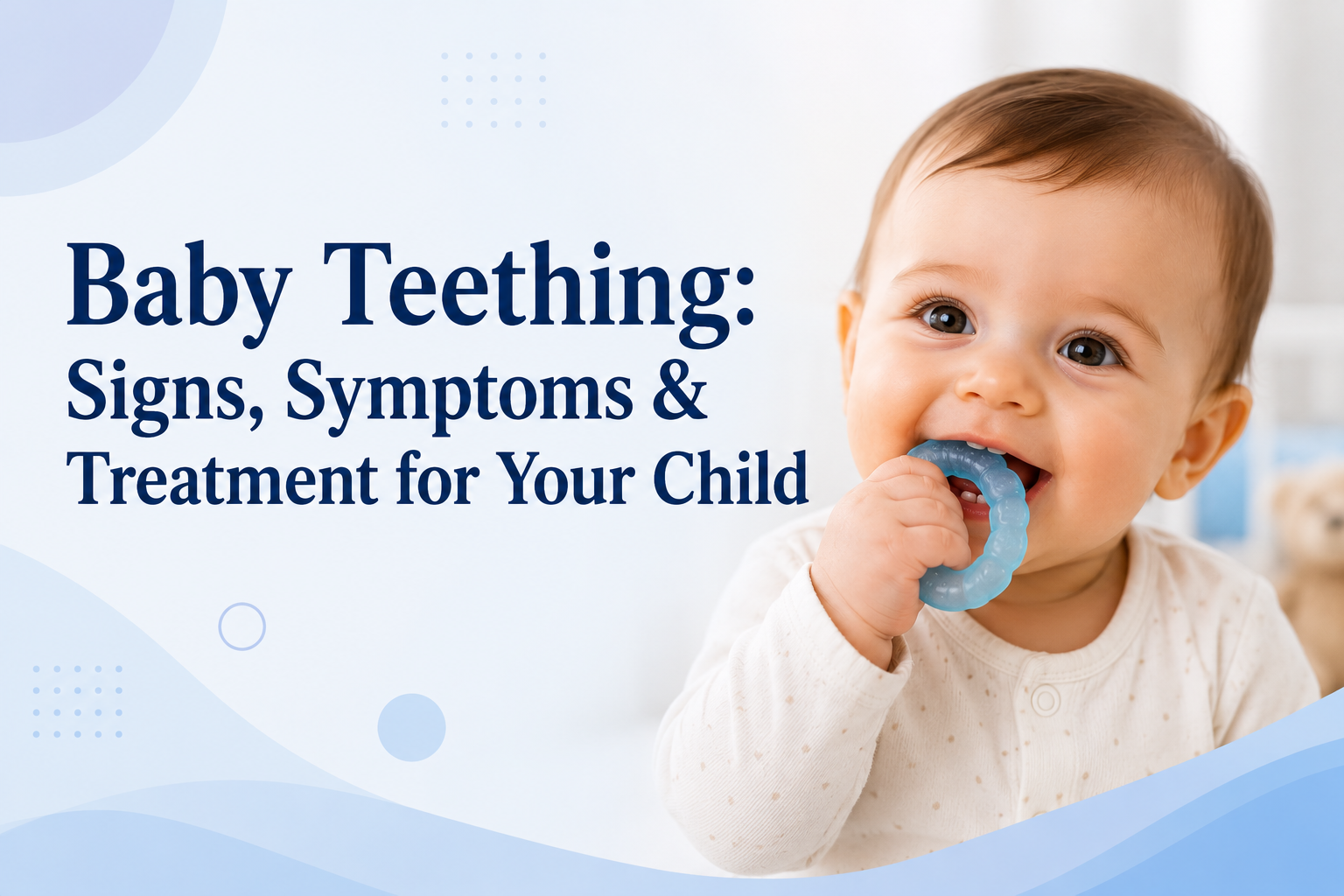
Watching your baby’s first tooth appear is an exciting milestone, but it can also be a challenging time for parents. Teething often brings temporary discomfort, making babies fussier than usual and leaving parents wondering how to help.
Most babies begin teething between 4 and 7 months of age, although every child develops at their own pace. Understanding the common signs of teething and knowing safe ways to relieve discomfort can make this stage much easier for both you and your baby.
In this guide, we’ll discuss the common signs of baby teething, effective treatment options, and when it’s time to visit a pediatric dentist.
What Is Baby Teething?
Teething is the natural process of your baby’s primary (baby) teeth breaking through the gums. These teeth are essential for chewing, speech development, and guiding permanent teeth into their proper positions later in life.
Most children have 20 primary teeth by the age of three. Although the timing varies, the lower front teeth are usually the first to appear.
While teething can cause mild discomfort, it is a normal part of your child’s growth and usually doesn’t require medical treatment.
Common Signs of Baby Teething
Every baby experiences teething differently. Some children show very few symptoms, while others become more uncomfortable as their teeth begin to erupt.
Common signs include:
-
Increased drooling
-
Swollen or tender gums
-
Constant chewing on fingers or toys
-
Mild irritability or fussiness
-
Changes in sleeping patterns
-
Reduced appetite for a short period
A slight increase in body temperature may occur, but high fever, severe diarrhea, or persistent vomiting are not normal symptoms of teething. If your baby experiences these symptoms, consult your pediatrician.
Safe Treatment for Baby Teething
Although teething cannot be prevented, there are several safe ways to ease your baby’s discomfort.
Massage the Gums
Gently rubbing your baby’s gums with a clean finger can help reduce pressure and soothe sore gums.
Use a chilled teething ring.
A chilled (not frozen) teething ring provides gentle cooling that can help relieve gum irritation.
Offer a cool washcloth.
A clean, damp washcloth that has been chilled in the refrigerator can provide additional comfort when your baby chews on it.
Continue Regular Feeding
Some babies prefer smaller, more frequent feedings during teething. Continue breastfeeding or bottle-feeding as usual while keeping your baby comfortable.
Pain Relief Medication
If your baby’s discomfort becomes severe, consult your pediatrician before giving any medication. Only use age-appropriate pain relievers as directed by a healthcare professional.
Caring for Your Baby’s Teeth During Teething
Healthy oral care should begin even before the first tooth appears.
-
Wipe your baby’s gums with a clean, damp cloth after feedings.
-
Once the first tooth erupts, brush twice daily using a soft infant toothbrush and a smear of fluoride toothpaste.
-
Avoid putting your baby to bed with a bottle containing milk or juice, as this increases the risk of early childhood tooth decay.
-
Schedule your baby’s first dental visit by their first birthday or within six months after the first tooth appears.
Developing good oral hygiene habits early helps protect your child’s smile for years to come.
When Should You See a Pediatric Dentist?
Teething is usually a normal developmental stage, but professional evaluation is recommended if:
-
No teeth have appeared by 18 months of age.
-
Your baby experiences severe gum swelling or bleeding.
-
A newly erupted tooth appears damaged or discolored.
-
Feeding becomes consistently difficult because of oral discomfort.
-
You have concerns about your baby’s oral development.
Early dental visits allow your pediatric dentist to monitor your child’s growth and provide personalized guidance for healthy oral development.
Conclusion
Teething is a natural milestone that every child experiences differently. While drooling, swollen gums, and mild fussiness are common, simple home care and good oral hygiene can help keep your baby comfortable during this stage.
If you ever have concerns about your baby’s teething symptoms or oral health, the team at Smile Explorers is here to help. Our experienced pediatric dentists provide gentle, compassionate care to ensure your child’s smile gets the healthiest possible start.
How Early Do Wisdom Teeth Come In? Age, Signs & When to See a Dentist

How Early Do Wisdom Teeth Come In?
Many parents are surprised when their child complains of pain at the back of the mouth and wonder, “How early do wisdom teeth come in?” While wisdom teeth usually appear between 17 and 25 years of age, they actually begin developing much earlier. In some cases, teenagers may notice signs of wisdom teeth as early as 15 or 16 years old.
At Smile Explorers Pediatric Dentistry, we help families monitor wisdom tooth development through regular dental checkups and digital X-rays. Early evaluation helps identify potential problems before they become painful or require more complex treatment.
What Are Wisdom Teeth?
Wisdom teeth, also known as third molars, are the last permanent teeth to develop. Most people have four wisdom teeth—one in each corner of the mouth—but some people may have fewer or none at all.
These teeth were once useful for chewing tougher foods, but modern diets and smaller jaw sizes often leave little room for them to erupt properly.
When Do Wisdom Teeth Start Developing?
Although wisdom teeth usually erupt in late adolescence or early adulthood, their development starts much earlier.
| Age | Development Stage |
|---|---|
| 7–10 years | Wisdom tooth buds begin forming |
| 10–14 years | Crown development |
| 15–18 years | Roots develop and teeth begin moving upward |
| 17–25 years | Most wisdom teeth erupt |
Regular dental visits allow your dentist to monitor this development and detect potential concerns early.
Can Wisdom Teeth Come In Early?
Yes. While most wisdom teeth erupt between 17 and 25 years, some individuals may experience eruption during their mid-teen years.
Early eruption can be influenced by:
- Genetics
- Jaw growth and development
- Family history
- Tooth positioning
- Overall oral development
Some teenagers experience no discomfort, while others may develop pain if there isn’t enough room for the tooth to erupt.
Signs Your Wisdom Teeth Are Coming In
Common symptoms include:
- Pain at the back of the mouth
- Swollen or tender gums
- Jaw soreness
- Difficulty chewing
- Mild headaches
- Bad breath
- Food getting trapped around the gums
- Redness near the erupting tooth
If these symptoms become severe or last several days, it is important to schedule a dental evaluation.
Common Problems Caused by Wisdom Teeth
Not every wisdom tooth causes problems, but limited space in the jaw can lead to complications.
Impacted Wisdom Teeth
An impacted wisdom tooth becomes trapped beneath the gums or against another tooth, often causing pain, swelling, or infection.
Gum Infection
Partially erupted wisdom teeth can trap food and bacteria, increasing the risk of gum infections and inflammation.
Crowding
In some cases, wisdom teeth may place pressure on neighboring teeth, particularly if there is limited space in the jaw.
Tooth Decay
Because wisdom teeth are difficult to clean, they are more likely to develop cavities if proper oral hygiene is not maintained.
Do All Wisdom Teeth Need to Be Removed?
No. Wisdom teeth only need removal if they:
- Cause pain
- Become impacted
- Lead to repeated infections
- Damage nearby teeth
- Develop severe decay
- Affect normal oral function
Healthy wisdom teeth that erupt properly and can be cleaned effectively may not require extraction.
How Smile Explorers Pediatric Dentistry Can Help
At Smile Explorers Pediatric Dentistry, our experienced team uses advanced digital X-rays and comprehensive dental examinations to monitor wisdom tooth development.
We provide:
- Early wisdom tooth evaluations
- Digital dental imaging
- Personalized treatment plans
- Gentle tooth extraction when necessary
- Preventive dental care for children and teens
Our goal is to help every child maintain a healthy smile while minimizing discomfort and preventing future complications.
Tips for Managing Wisdom Tooth Discomfort
If your wisdom teeth are beginning to erupt, these tips may help relieve mild discomfort:
- Rinse with warm salt water
- Brush gently around the affected area
- Eat soft foods such as yogurt, soup, and mashed potatoes
- Stay hydrated
- Apply a cold compress to reduce swelling
- Take pain medication only as directed by your dentist or healthcare provider
Persistent or severe pain should always be evaluated by a dental professional.
When Should You Visit a Dentist?
Schedule an appointment if you experience:
- Severe tooth pain
- Swollen gums lasting more than two days
- Difficulty opening your mouth
- Fever
- Pus around the tooth
- Persistent bad breath
- Pain that interferes with eating or sleeping
Early diagnosis can prevent more serious dental problems and ensure the best treatment outcome.
Why Parents Trust Smile Explorers Pediatric Dentistry
Parents choose Smile Explorers Pediatric Dentistry because we focus on compassionate, child-friendly dental care.
Our team offers:
- Experienced pediatric dentists
- Modern diagnostic technology
- Comfortable treatment environment
- Personalized care for every child
- Preventive approach to oral health
Whether your child is experiencing wisdom tooth discomfort or simply needs a routine dental checkup, we are here to help every step of the way.
Conclusion
Wisdom teeth generally erupt between 17 and 25 years of age, but they begin developing much earlier and may appear during the teenage years. Monitoring wisdom tooth development through regular dental visits is the best way to identify potential issues before they become serious.
If your child is experiencing pain, swelling, or other symptoms of erupting wisdom teeth, the team at Smile Explorers Pediatric Dentistry is ready to provide expert evaluation and personalized care to keep their smile healthy.