


Fun Ways to Teach Kids About Mouth Anatomy Which Leads to Better Oral Health

Teaching children about their mouths does not have to feel like a science lesson. In fact, learning mouth anatomy for kids can be fun, interactive, and surprisingly easy when you turn everyday brushing and eating into learning activities. When children understand what their teeth, gums, tongue, and other parts of the mouth do, they are more likely to become interested in taking care of them. Simple activities can help children learn why brushing matters, how cavities develop, and why regular dental visits are important. Whether your child is a toddler learning to brush or a school-age child asking questions about their teeth, these fun ideas can make oral health education easier and more enjoyable.
What Is Mouth Anatomy?
Before introducing activities, explain mouth anatomy in language your child can understand. The mouth contains several important parts that work together to help us eat, speak, smile, and swallow.
Teeth:- Teeth help us bite and chew food. Children have 20 primary teeth, commonly called baby teeth. These teeth eventually make room for permanent teeth. You can teach your child that different teeth have different jobs:-
- Incisors help cut food.
- Canines help tear food.
- Molars help crush and grind food.
Gums:- Gums surround and support the teeth. Healthy gums generally look pink and should not regularly bleed during normal brushing or flossing. Explain to your child that gums are like the protective “home” around their teeth.
Tongue:- The tongue helps with:
- Speaking
- Moving food around the mouth
- Swallowing
- Detecting tastes
A simple game can help children understand how important the tongue is. Ask them to say different words while gently noticing how their tongue moves.
Saliva:- Saliva might sound less exciting, but it has an important job. It helps keep the mouth moist, makes swallowing easier, and contributes to the mouth’s natural defenses. Tell your child that their mouth has its own little cleaning and protection system.
Roof of the Mouth:- The roof of the mouth separates the mouth from the nasal cavity and helps with eating, swallowing, and speaking. For younger children, you can simply explain that it is the “ceiling” of their mouth.
Fun Ways to Teach Kids About Mouth Anatomy
The best way to teach children is to let them participate. Try these simple activities at home.
1.Become a Tooth Detective
Give your child a small mirror and let them look inside their mouth.
Ask them to find:-
- Their front teeth
- Canines
- Back teeth
- Tongue
- Gums
Instead of simply telling them what they are looking at, ask questions.
Try asking:-
“Which teeth look sharp?”
“Which teeth are at the back?”
“What do you think those teeth help us do?”
This turns learning into a small discovery game.
Safety tip: Use a clean handheld mirror and avoid having children put sharp objects or fingers deep inside their mouths.
2. Make a Giant Mouth Model
You can create a simple mouth model using household materials.
For example, use:-
- Paper plates
- White paper
- Cardboard
- Modeling clay
- Markers
Cut out tooth shapes and arrange them around a paper “mouth.”
Then label the different parts:-
Incisor → Canine → Premolar → Molar → Gum → Tongue
For younger children, you don’t need to introduce every dental term at once. Start with the parts they can easily recognize. This hands-on approach makes learning about teeth much easier to remember.
3. Play “What Does This Tooth Do?”
Turn different types of teeth into characters.
For example:-
Incisors: “I’m the cutter!”
Canines: “I’m the tearer!”
Molars: “I’m the grinder!”
Give your child pictures of different foods and ask which teeth would help with each food.
For example:-
“Which teeth help us bite into an apple?”
The answer becomes a fun way to reinforce the function of the front teeth.
4. Use an Apple or Banana to Demonstrate Chewing
Food can become a simple teaching tool. Give your child soft, age-appropriate food and ask them to notice how they chew.
Explain that:-
- Front teeth help bite food.
- Canines assist with tearing.
- Back teeth help grind food.
This connects mouth anatomy to something children experience every day. Always choose foods that are appropriate for your child’s age and supervise young children while eating.
5. Create a “Healthy Mouth” Drawing
Ask your child to draw their ideal healthy mouth. Encourage them to include:-
- Clean teeth
- Healthy-looking gums
- A tongue
- A big smile
Then ask them to add things that help keep the mouth healthy, such as:-
- A toothbrush
- Fluoride toothpaste
- Dental floss
- Water
- Healthy foods
This activity can help children connect mouth anatomy and oral hygiene.
6. Turn Tooth Brushing Into a Science Experiment
Children often understand concepts better when they can see them. Take a clean plastic egg or another safe object with a smooth surface and place a small amount of washable food coloring or a child-safe demonstration material on it to represent “plaque.” Then show how brushing can remove the material.
Explain:-
Plaque is a sticky film of bacteria that develops on teeth. When plaque is not removed regularly, bacteria can contribute to tooth decay and gum problems. The activity helps children understand why brushing is more than simply making their teeth look clean.
7. Make a Mouth Anatomy Puzzle
Create simple cards showing:-
- Teeth
- Gums
- Tongue
- Saliva
- Roof of the mouth
Mix them up and ask your child to match each part with its job.
For example:-
Tongue → Helps with speaking and moving food
Teeth → Help bite and chew
Gums → Support and surround teeth
You can make the game more challenging as your child learns more.
8. Sing a Two-Minute Tooth-Brushing Song
Children may not always want to brush for long enough. A simple song can make brushing feel like play rather than a chore. Create a song that reminds your child to brush:
- Front teeth
- Back teeth
- Chewing surfaces
- Along the gumline
- Inside surfaces
The goal isn’t to make brushing perfect through music alone. Instead, the song provides a routine that helps children stay engaged. For young children, parents should still supervise and assist with brushing as needed.
9. Let Your Child Be the Dentist
Grab a stuffed animal or doll and create a pretend dental appointment. Your child can:-
- Count the toy’s teeth.
- Look for “sugar bugs.”
- Pretend to brush its teeth.
- Explain what each tooth does.
- Give the toy a pretend dental checkup.
Then switch roles and let the child become the patient. Pretend play can help make dental visits less intimidating, especially for children who are nervous about seeing a dentist.
10. Start a “My Mouth Journal”
Older children may enjoy keeping a small oral-health journal. They can record things such as:-
- When they brushed
- When they flossed
- Foods they tried
- Questions about their teeth
- Things they learned at the dentist
You can even create a section called:- “Questions for My Dentist.” This encourages children to become active participants in their own oral health.
Why Teaching Mouth Anatomy Can Improve Oral Health
Understanding the mouth is more than learning vocabulary. When children understand why they need to brush, floss, and visit the dentist, daily oral hygiene can become more meaningful.
For example, instead of saying:-
“Brush your teeth because I said so.”
You can say:-
“Let’s clean the plaque from your teeth so your teeth and gums can stay healthy.”
That small change gives the child a reason behind the routine. Teaching anatomy can also help children:
- Recognize different teeth.
- Understand the purpose of brushing.
- Learn why flossing matters.
- Become more comfortable discussing dental concerns.
- Develop healthy oral-hygiene habits.
- Feel more confident during dental visits.
Make Oral Health Education Age-Appropriate
Not every child needs the same explanation.
Toddlers:- Keep lessons short and visual.
Focus on:-
- Teeth
- Toothbrush
- Brushing
- Healthy foods
- Visiting the dentist
Songs, toys, and picture books work especially well.
Preschoolers:- Introduce basic tooth functions and simple anatomy.
You can explain:-
- Front teeth
- Back teeth
- Gums
- Tongue
- Why teeth need cleaning
School-Age Children:- Older children can learn more detailed concepts, including:
- Different types of teeth
- Plaque
- Cavities
- Gum health
- Flossing
- Fluoride
- Permanent teeth
Let their questions guide how much detail you introduce.
Don’t Forget About Baby Teeth
One common misconception is that baby teeth do not need much care because they eventually fall out. That isn’t true. Primary teeth help children:-
- Chew food
- Speak clearly
- Maintain space for developing permanent teeth
- Develop healthy oral habits
Helping children care for their baby teeth can therefore support their overall oral development.
When Should Children Visit a Dentist?
The American Academy of Pediatric Dentistry recommends that a child’s first dental visit should occur within six months of the first tooth appearing and no later than 12 months of age. Regular dental visits allow dental professionals to monitor oral development, provide preventive care, and help parents understand how to care for their child’s teeth at home. If your child has tooth pain, sensitivity, swelling, dental trauma, unusual discoloration, or another concerning symptom, contact a dental professional rather than relying only on home activities.
How Parents Can Make Dental Learning a Daily Habit
You don’t need to schedule a formal “mouth anatomy lesson.” Everyday routines provide opportunities to teach. While brushing, ask:-
“Which teeth are we cleaning?”
During meals:-
“Which teeth help us chew this food?”
Before a dental appointment:-
“What would you like to ask the dentist?”
These short conversations can gradually build your child’s understanding of oral health and dental care. The goal isn’t for children to memorize every part of the mouth. The goal is to help them understand that their mouth is an important part of their body—and taking care of it is something they can actively participate in.
Final Thoughts
Teaching mouth anatomy for kids can be simple, playful, and educational. From tooth-detective games and mouth models to pretend dental appointments and brushing songs, parents have plenty of ways to make oral-health learning enjoyable. When children understand what their teeth, gums, tongue, and other mouth structures do, everyday activities like brushing and flossing can start to make more sense. Most importantly, keep the lessons positive. Encourage questions, celebrate good habits, and avoid making dental care feel like a punishment. A healthy smile starts with good habits—and learning about the mouth can be a fun first step.
Help Your Child Build Healthy Dental Habits
If you have questions about your child’s teeth, oral hygiene, tooth development, or dental visits, a pediatric dental professional can provide guidance based on your child’s individual needs. Ready to support your child’s healthy smile? Schedule a dental visit with a qualified pediatric dentist and make oral health part of your child’s everyday routine.
Why Early Palatal Expansion May Matter for Your Child
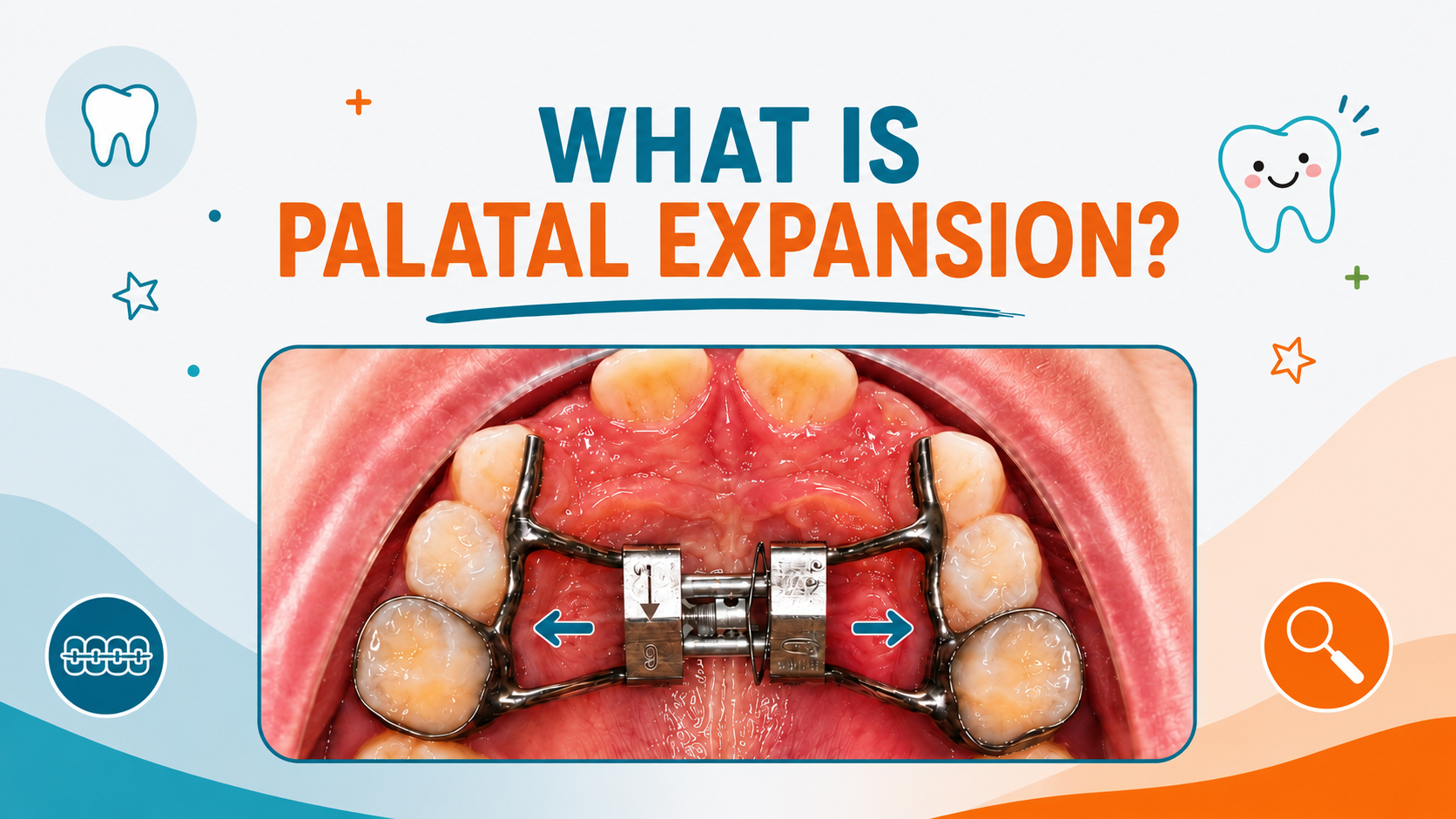
When parents hear the words orthodontic treatment, they often picture braces and straight teeth. But orthodontics for children isn’t always about straightening teeth. Sometimes, the bigger question is how the upper and lower jaws are developing and how much room there is for the permanent teeth to come in properly. One treatment that may be recommended for some growing children is palatal expansion. So, what exactly is it—and why might timing matter?
What Is Palatal Expansion?
The palate is the roof of the mouth and forms part of the upper jaw, or maxilla. In some children, the upper jaw is relatively narrow compared with the lower jaw. This can contribute to problems such as a posterior crossbite, dental crowding, or an uneven relationship between the upper and lower teeth. Palatal expansion uses an orthodontic appliance to gradually widen the upper jaw. The appliance applies controlled pressure to the upper jaw so that the upper dental arch can become wider. The American Academy of Pediatric Dentistry recognizes the importance of monitoring developing teeth and jaws and notes that early diagnosis can help determine the appropriate timing and sequence of treatment.
But does every child with a narrow palate need an expander?
No.
That’s an important point. Palatal expansion isn’t a one-size-fits-all treatment. A child may have a narrow-looking arch but not require expansion. Another child may have a crossbite or transverse jaw discrepancy where expansion is appropriate. The decision depends on the child’s growth, dental development, bite, jaw relationships, available space and individual treatment needs.
Why Does Early Evaluation Matter?
Children’s mouths and jaws change considerably as they grow. That means there can be a window during childhood when certain orthodontic problems can be addressed as the jaws are developing. An early evaluation doesn’t necessarily mean that treatment will begin immediately.
Sometimes the best recommendation is simply:-
“Let’s watch the growth and check again later.”
That’s actually one of the benefits of an early evaluation—you don’t have to guess. The American Association of Orthodontists notes that an early examination can identify developing jaw-growth and tooth-position concerns and, when appropriate, allow treatment such as palatal expansion to be considered while a child is still growing.
What Problems Can Palatal Expansion Address?
Depending on the child’s diagnosis, expansion may be used to address issues such as:
1. Posterior Crossbite
A crossbite occurs when some of the upper back teeth bite inside the lower teeth rather than outside them. Crossbites can have different causes, so an examination is important before deciding on treatment. The AAPD notes that posterior crossbites may be dental, skeletal, or a combination of factors, and that treatment should be based on the child’s overall needs.
2. A Narrow Upper Dental Arch
When the upper arch is too narrow, the upper teeth may not fit comfortably with the lower teeth. Expansion can help establish a more appropriate width relationship between the arches when that is the underlying problem.
3. Limited Space for Developing Teeth
A narrow upper arch can sometimes contribute to crowding. In appropriate cases, widening the upper arch can create additional room for developing teeth and may improve their eruptive path. However, expansion isn’t a guarantee that a child will never need braces or other orthodontic treatment later.
4. Developing Bite Problems
Sometimes expansion is one part of a larger orthodontic treatment plan. The goal isn’t simply to make the smile wider. It’s to create a healthier relationship between the teeth and jaws and support normal dental development.
What Does an Expander Actually Do?
A palatal expander is an orthodontic appliance designed to widen the upper jaw or dental arch, depending on the type of appliance and the child’s stage of development. Some expanders are fixed in the mouth, while others are removable. For children who are still growing, certain types of expansion can take advantage of the developing structures of the upper jaw. The exact mechanism and amount of skeletal versus dental change depend on the child’s age, growth pattern, appliance and diagnosis. That’s why an individualized evaluation is so important. The goal isn’t to expand every child’s palate. The goal is to determine whether expansion is appropriate for that particular child.
What Signs Should Parents Watch For?
Parents may want to ask their pediatric dentist or orthodontic provider about an evaluation if they notice:-
- Crowded or overlapping teeth
- A posterior crossbite
- A noticeably narrow or high palate
- Teeth that don’t seem to fit together properly
- Difficulty finding enough space for erupting permanent teeth
- A noticeable difference between the width of the upper and lower arches
You may also hear about mouth breathing or snoring when discussing airway-focused orthodontic care. These symptoms can have many different causes, however, and palatal expansion should not be presented as a universal treatment for breathing or sleep problems. Children with persistent snoring or other sleep-related concerns should be appropriately evaluated by their healthcare providers.
Is Earlier Always Better?
Not necessarily.
This is probably one of the most important things parents should understand. “Early intervention” doesn’t mean start treatment as early as possible. It means identifying potential problems early enough to understand the available options and choose the appropriate timing. For one child, that might mean treating a crossbite relatively early. For another child, it might mean monitoring growth for a while. And for another, expansion may not be needed at all. The AAPD specifically emphasizes that treatment timing should be based on clinical examination, diagnosis, growth and development, and the individual child’s needs.
What Happens During an Early Evaluation?
An evaluation typically begins with a conversation about your child’s dental development and any concerns you’ve noticed. The dental team may assess:
✓ Facial and jaw development
✓ The relationship between the upper and lower teeth
✓ Dental crowding and available space
✓ Crossbites or other bite discrepancies
✓ Tooth eruption and development
✓ The shape and width of the dental arches
Depending on the situation, photographs, digital scans or appropriate X-rays may also be recommended. From there, the provider can explain whether your child needs treatment now, should be monitored, or would benefit from referral to an orthodontic specialist.
What Can Parents Expect If Expansion Is Recommended?
If palatal expansion is recommended, your dental or orthodontic team will explain:-
- Which type of appliance is appropriate
- How it will be placed
- How activation will work, if required
- How long the active expansion phase may take
- What your child may feel during treatment
- How often follow-up appointments are needed
- What happens after the desired expansion is achieved
Some children experience temporary pressure, tightness or changes in how their teeth feel during the adjustment period. Your provider will give you specific instructions for your child’s appliance and treatment plan.
The Goal Is More Than a Straight Smile
A child’s developing smile is part of a much bigger picture. Good orthodontic care looks at growth, function, bite, tooth development and facial development—not just whether the teeth look straight. And sometimes, the most valuable thing an early orthodontic evaluation provides is not treatment.
It’s information.
Knowing what is happening with your child’s developing jaws and teeth gives you the opportunity to make an informed decision about whether, when and how treatment should be considered. If you’ve noticed crowding, a crossbite, a narrow upper arch or concerns about your child’s developing bite, talk with your pediatric dentist or orthodontic provider about whether an early evaluation would be helpful. Because when it comes to growing smiles, timing matters—but the right timing is different for every child.
A note for parents
Palatal expansion is a specialized orthodontic treatment and isn’t appropriate for every child. Treatment recommendations should be based on an in-person examination and, when indicated, appropriate diagnostic records. This article is intended for general education and should not replace individualized dental or orthodontic advice.
Smile Explorers Pediatric Dentistry
Helping children build healthy smiles from the start.
Do Cavities in Baby Teeth Really Need to be Filled?
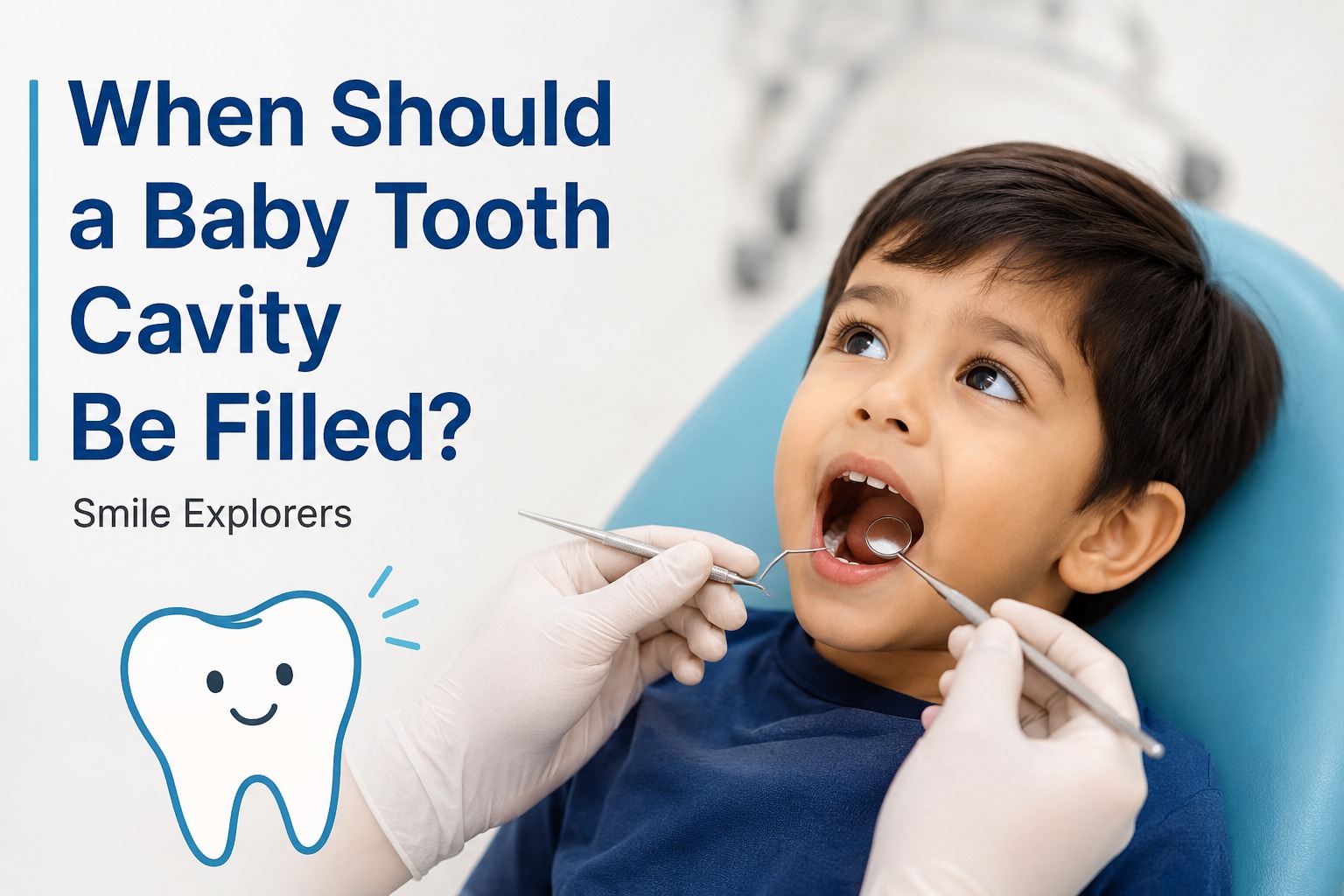
Finding a cavity in your child’s baby tooth can leave you with a lot of questions. “Does my child really need a filling if that tooth is eventually going to fall out?” It is a common concern. Baby teeth are temporary, but they still have important work to do. They help children chew, speak, smile, and maintain the space needed for permanent teeth. The good news is that not every early area of tooth decay requires a traditional filling. The right treatment depends on the condition of the tooth, how far the decay has progressed, your child’s age, symptoms, cavity risk, and how long the tooth is expected to remain in the mouth. For families searching for a pediatric dentist in Glendale, AZ, knowing when a cavity needs treatment can make dental decisions much easier. At Smile Explorers Pediatric Dentistry, children receive individualized dental care in a comfortable, child-focused environment. The practice serves families throughout Glendale, Deer Valley, Anthem, Norterra, Arrowhead Ranch, and surrounding communities.
Why Should Baby Teeth Be Protected?
It can be tempting to think that baby teeth do not matter because permanent teeth will eventually replace them. But your child’s primary teeth serve several important purposes. Healthy baby teeth help children:-
- Chew food comfortably
- Develop clear speech
- Maintain space for permanent teeth
- Support normal oral development
- Guide permanent teeth as they erupt
- Avoid unnecessary dental discomfort
A baby tooth that is lost much earlier than expected may create changes in the available space for developing permanent teeth. Depending on the tooth and your child’s development, a pediatric dentist may consider whether a space maintainer is appropriate. That is why dentists generally try to keep a baby tooth healthy and functional for as long as it is needed.
How Can You Tell If Your Child Has a Cavity?
Cavities are not always easy for parents to spot. Early tooth decay may appear as a white, chalky area on the tooth. As decay progresses, you may notice a darker spot, rough surface, or visible hole. Your child may also experience:-
- Tooth sensitivity
- Pain while eating
- Discomfort with cold or sweet foods
- Avoiding certain foods
- Chewing on one side
- Swelling around the tooth
- Increased fussiness without an obvious reason
Some children have no symptoms at all. That is one reason routine pediatric dental examinations are important. A dentist can identify problems that may not yet be obvious at home. Smile Explorers recommends beginning dental care early. Its first-visit guidance follows pediatric recommendations to schedule a child’s first dental visit when the first tooth appears or by the first birthday.
What Causes Cavities in Baby Teeth?
Tooth decay develops when bacteria in the mouth interact with sugars and produce acids that gradually weaken tooth enamel. Several everyday habits can increase a child’s risk.
Frequent Sugary Snacks:- Eating sugary foods repeatedly throughout the day gives cavity-causing bacteria more opportunities to produce acids. Candy, cookies, sweetened cereals, fruit snacks, and similar foods can contribute to tooth decay when consumed frequently.
Sugary Drinks:- Juice, soda, sweetened drinks, and other beverages containing added sugar can increase a child’s exposure to sugars. For everyday hydration, water is usually a better choice.
Incomplete Brushing:- Young children are still developing the coordination needed to brush every tooth thoroughly. Parents may need to help or supervise brushing to make sure plaque is removed effectively.
Skipping Dental Visits:- Regular dental visits allow a pediatric dentist to monitor developing teeth and identify potential problems early. For parents in Glendale and Deer Valley, having a local pediatric dental office can make it easier to keep routine visits on schedule.
Does Every Baby Tooth Cavity Need a Filling?
No—not necessarily. This is one of the most important things parents should understand. Early tooth decay may sometimes be managed with preventive or minimally invasive approaches. Depending on the situation, a pediatric dentist may recommend improved oral hygiene, fluoride, dietary changes, monitoring, sealants, or other caries-management strategies. If a true cavity has progressed and requires restoration, however, a filling may be recommended. Your child’s dentist may consider:-
- The depth and size of the cavity
- The location of the decay
- Whether the decay is progressing
- Whether your child has pain
- Whether there are signs of infection
- Your child’s overall cavity risk
- How long the tooth is expected to remain
- Your child’s ability to tolerate treatment
This is why one child may need a filling while another child with an early lesion may receive preventive care and monitoring.
Why Should You Avoid Simply Waiting for the Tooth to Fall Out?
Parents sometimes think, “If the tooth is going to fall out soon, why treat it?” The problem is that you cannot always predict how quickly a cavity will progress. A tooth that does not hurt today can become uncomfortable later if decay advances. Untreated or progressing decay can potentially lead to:-
Dental Pain :- As decay moves deeper into the tooth, your child may experience sensitivity or pain. Difficulty Eating:- Children with painful teeth may avoid certain foods or chew differently to protect the affected area.
Infection:- If decay reaches the inner tissues of the tooth, infection can develop and may require more extensive dental treatment.
Premature Tooth Loss:- A severely damaged baby tooth may sometimes need to be removed before its normal time. For some children, early tooth loss can affect the space available for permanent teeth.
What Treatment Might a Pediatric Dentist Recommend?
The treatment depends on the individual tooth. There is no single solution that is right for every child.
Preventive Care
If decay is detected early and the tooth does not require restoration, the dentist may recommend measures to control or prevent progression.
These may include:-
- Fluoride treatment
- Improved brushing
- Flossing
- Dietary changes
- Dental sealants when appropriate
- Regular monitoring
Dental Fillings
If a cavity needs to be restored and enough healthy tooth structure remains, a filling may be recommended. A filling can restore the tooth’s shape and function while helping your child continue to use the tooth comfortably.
Pediatric Dental Crowns
A larger cavity or a significantly weakened baby tooth may require more protection. In appropriate cases, a pediatric dental crown can cover and protect the remaining tooth structure. Smile Explorers specifically offers pediatric dental crowns as part of its children’s dental services.
Nerve Treatment
When decay has significantly affected the inner part of a primary tooth, a filling alone may not be sufficient. Depending on the diagnosis, pulp or nerve treatment may be considered to preserve the tooth when possible. Smile Explorers also lists nerve treatment for primary teeth among its pediatric dental services.
Tooth Extraction
Sometimes a baby tooth is too damaged to restore. In those cases, extraction may be recommended. Your child’s dentist can determine whether additional measures are needed to protect the developing permanent teeth.
What Happens During a Baby Tooth Filling?
Parents often worry that their child will be scared during a dental procedure. A pediatric dental office is designed to make children feel comfortable and help them understand what is happening.
A filling appointment may include:
- Examination:- The dentist examines the tooth and may recommend an X-ray when necessary.
- Treatment Planning:-The dentist explains the recommended treatment and discusses options with the parent.
- Keeping Your Child Comfortable:- When restorative treatment is required, appropriate anesthesia may be used to keep the area comfortable.
- Treating the Tooth:- The dentist manages the decay and restores the tooth using an appropriate dental material.
- Final Check:- The dentist checks the restoration and bite before finishing the appointment. Smile Explorers emphasizes age-appropriate communication and a comfortable experience for children during dental visits.
Why Choose a Pediatric Dentist in Glendale, AZ?
Children’s teeth are constantly changing as they grow. A pediatric dentist understands these developmental changes and can tailor dental care to a child’s age, oral health, and individual needs. Smile Explorers Pediatric Dentistry is located at:-
3575 W Deer Valley Rd, Ste. #110
Glendale, AZ 85308
The office serves children and families in Glendale, Deer Valley, Anthem, Norterra, Arrowhead Ranch, and surrounding areas. The practice is led by Dr. Mukul Dave, a board-certified pediatric dentist, who uses a gentle and conservative approach and involves parents in treatment decisions. For families looking for a kids dentist near Deer Valley or Glendale, having a pediatric-focused practice nearby can make preventive care and follow-up appointments more convenient.
How Can Parents Prevent Cavities in Baby Teeth?
Preventing cavities starts at home.
Brush Twice a Day
Help your child brush twice daily with fluoride toothpaste appropriate for their age. Young children often need supervision or assistance to clean their teeth effectively.
Clean Between Teeth
Once your child’s teeth begin touching each other, cleaning between them becomes important. Ask your pediatric dentist to demonstrate the easiest technique for your child.
Choose Water Between Meals
Water is a simple way to reduce frequent exposure to sugary drinks. Try to limit how often your child sips juice or other sweetened beverages throughout the day.
Make Snacks Tooth-Friendly
Instead of frequent sugary snacks, offer balanced choices such as fruits, vegetables, cheese, or other nutritious foods appropriate for your child.
Keep Dental Appointments
Routine examinations help your dentist monitor your child’s teeth and identify problems before they become more complicated. Regular visits are especially useful for children who have already experienced cavities.
When Should You Contact a Pediatric Dentist?
You do not need to wait until your child has severe pain. Contact a pediatric dentist if you notice:-
- A white, brown, or dark spot on a tooth
- A visible hole in a tooth
- Tooth sensitivity
- Pain when eating
- Swollen gums
- A broken baby tooth
- Difficulty chewing
- A change in your child’s eating habits
If your child develops significant swelling, severe dental pain, fever, or other signs of a possible infection, seek prompt professional dental care. Families in Glendale, Deer Valley, Arrowhead Ranch, Anthem, and Norterra can contact Smile Explorers Pediatric Dentistry for an evaluation and personalized treatment recommendations.
The Bottom Line
A baby tooth may be temporary, but it still matters. Not every cavity automatically requires a filling, but every cavity deserves proper attention. Some early areas of decay may be managed with preventive care, while a progressing cavity may need a filling, crown, nerve treatment, or another approach. The best decision depends on your child’s tooth, age, symptoms, cavity risk, and dental development. If you are searching for a pediatric dentist in Glendale, AZ, don’t wait until a small dental concern becomes painful.
Help Your Child Build a Healthy Smile
At Smile Explorers Pediatric Dentistry, our goal is to make children’s dental care comfortable, educational, and positive for both children and parents. From infant dental exams and preventive care to fillings, crowns, nerve treatment, and other pediatric dental services, our team is here to help families make informed decisions about their child’s oral health. Schedule an appointment with Smile Explorers Pediatric Dentistry in Glendale, AZ, and give your child’s smile the care it deserves.
How Can I Celebrate Losing Baby Teeth?
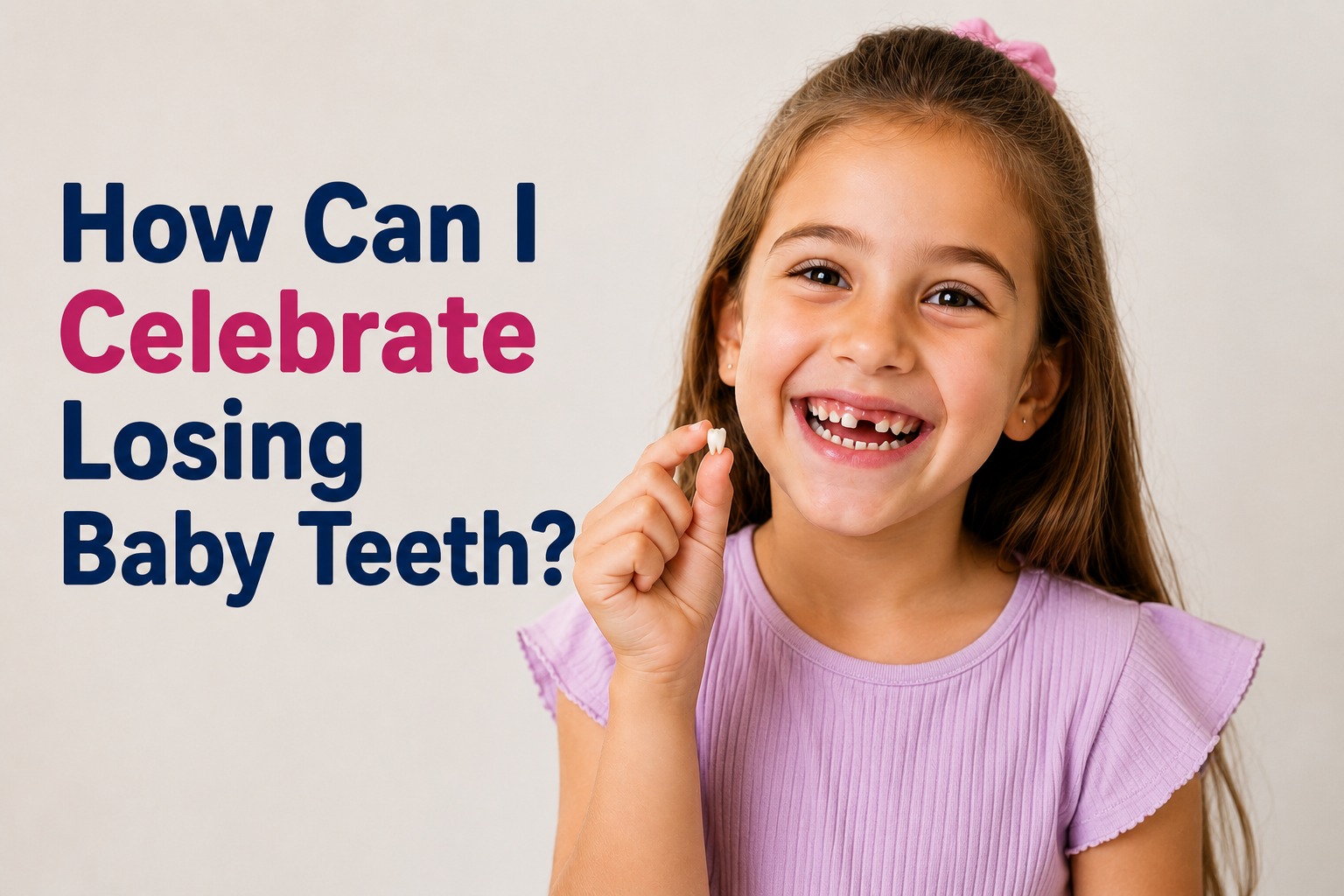
How Can I Celebrate Losing Baby Teeth? it’s a mix of excitement, curiosity, and sometimes a little nervousness. One day they’re proudly showing off a wiggly tooth, and the next they’re placing it under their pillow, hoping the Tooth Fairy will visit.
As a parent, you can turn this natural stage of growing up into a fun and memorable family tradition. Celebrating the loss of baby teeth doesn’t require expensive gifts or elaborate surprises. Simple moments can become lasting memories while helping your child develop a positive attitude toward oral health.
At Smile Explorers Pediatric Dentistry, we believe every stage of your child’s dental journey deserves to be celebrated. From the first baby tooth to the arrival of permanent teeth, positive experiences help children build confidence and healthy habits that last a lifetime.
Why Losing Baby Teeth Is an Important Milestone
A loose tooth is more than just a sign that your child is growing up. Baby teeth play an important role before they naturally fall out. They help children:
- Chew food properly
- Speak clearly
- Hold space for permanent teeth
- Guide adult teeth into the correct position
- Support healthy jaw development
Most children begin losing their first baby tooth between ages 5 and 7, although every child develops at their own pace. Some children lose teeth a little earlier or later, and that’s often completely normal.
As permanent teeth grow underneath, the roots of baby teeth slowly dissolve until the tooth becomes loose and falls out naturally. This process can take several weeks or even months and is usually painless.
Signs a Baby Tooth Is Ready to Fall Out
Parents often wonder when it’s the right time for a tooth to come out. Here are some common signs that your child’s tooth is almost ready:
- The tooth wiggles easily from side to side.
- Your child feels mild pressure while eating or brushing.
- A permanent tooth may begin appearing behind or underneath the baby tooth.
- A small amount of bleeding may occur once the tooth falls out.
These signs usually mean everything is progressing normally.
Should You Pull a Loose Baby Tooth?
In most cases, the answer is no.
It’s best to let the tooth fall out naturally. Pulling it too early can:
- Cause unnecessary pain
- Irritate or damage the gums
- Increase bleeding
- Make children fearful of future dental visits
Instead, encourage your child to gently wiggle the tooth with clean hands. Eating crunchy foods like apples or carrots can sometimes help loosen a ready tooth naturally. Continue normal brushing and flossing, and be patient while nature takes its course.
If a loose tooth becomes painful or doesn’t seem to progress normally, contact your pediatric dentist for advice.
Fun Ways to Celebrate Losing Baby Teeth
Losing a tooth is an exciting achievement, and celebrating it can make the experience even more special.
Create a Tooth Fairy Tradition
Many families enjoy the Tooth Fairy tradition. You can make it more memorable by:
- Leaving a handwritten Tooth Fairy note
- Sprinkling a little “fairy dust”
- Giving a small book instead of candy
- Including a new toothbrush or fun sticker
These ideas keep the focus on healthy smiles instead of sugary treats.
Start a Tooth Milestone Journal
Create a scrapbook where your child records:
- The date each tooth falls out
- Which tooth was lost
- How they felt
- A photo of their new smile
Over time, this becomes a wonderful keepsake filled with happy memories.
Make a “Growing Up” Certificate
Children love recognition. Create a colorful certificate celebrating their achievement with:
- Their name
- The date
- Which tooth they lost
- A fun signature from the Tooth Fairy or a parent
It’s a simple way to make your child feel proud of this exciting milestone.
More Creative Ways to Celebrate Losing Baby Teeth
Once your child loses a baby tooth, you can make the moment even more memorable with simple family traditions that encourage healthy habits and create lasting memories.
Read a Tooth Fairy Story Together
Instead of focusing only on receiving money from the Tooth Fairy, spend time reading a fun bedtime story about growing healthy smiles. This creates a comforting routine while encouraging a love for reading and helping your child understand that losing baby teeth is a normal part of growing up.
Take a “Gap-Toothed” Photo
Your child’s smile changes quickly during these years. Capture each milestone by taking a picture whenever they lose a tooth. Over time, you can create a “Growing Smile” photo album that becomes a treasured family keepsake.
Celebrate with Healthy Treats
A celebration doesn’t have to include candy. Choose tooth-friendly snacks that are both fun and nutritious, such as:
- Fresh fruit smoothies
- Yogurt parfaits
- Cheese cubes
- Apple slices
- Frozen bananas
- Homemade fruit popsicles
These healthy choices support strong teeth while making the day feel special.
Use a Tooth Pillow or Keepsake Box
Many families enjoy using a small Tooth Fairy pillow or a keepsake box to store baby teeth. These simple traditions add excitement and become meaningful memories your child will remember for years.
Helping Children Feel Comfortable About Losing Teeth
While many children are excited about a loose tooth, others may feel nervous or even scared. Parents play an important role in making this milestone a positive experience.
Stay Positive
Children often copy their parents’ emotions. If you stay calm, encouraging, and excited, your child is more likely to feel confident.
Explain What Is Happening
Use simple language your child can understand.
For example:
“Your grown-up tooth is getting ready to come in, so your baby tooth is making room for it.”
Understanding what’s happening helps reduce fear and uncertainty.
Never Force a Loose Tooth
If your child isn’t ready to wiggle the tooth, don’t pressure them. Baby teeth usually fall out naturally when they’re ready.
Praise Their Bravery
Positive encouragement builds confidence. Celebrate your child’s courage with simple phrases like:
- “You’re growing up!”
- “I’m proud of you.”
- “You’re taking great care of your smile.”
When Should Parents Call a Pediatric Dentist?
Most children lose baby teeth without any problems, but there are situations where a dental visit is recommended.
Contact your pediatric dentist if:
- A baby tooth becomes loose after an injury.
- A permanent tooth starts growing behind the baby tooth (“shark teeth”).
- A loose tooth causes severe pain.
- There is heavy or persistent bleeding.
- Your child has not started losing baby teeth by around ages 7–8.
- You notice swelling, infection, or unusual changes around the tooth.
Early evaluation helps prevent future dental problems and ensures healthy tooth development.
Healthy Habits During This Stage
Losing baby teeth is the perfect opportunity to reinforce good oral hygiene habits that will protect your child’s permanent teeth.
Encourage your child to:
- Brush twice a day with fluoride toothpaste.
- Floss every day.
- Drink plenty of water.
- Eat fruits, vegetables, and other tooth-friendly foods.
- Limit sugary snacks and drinks.
- Visit the pediatric dentist every six months.
These simple daily habits help keep both baby teeth and permanent teeth healthy.
Conclusion
Losing baby teeth is one of childhood’s most exciting milestones and an important step toward a healthy adult smile. By celebrating each loose tooth with simple traditions, encouraging healthy dental habits, and offering reassurance, parents can turn this stage into a positive and memorable experience.
Remember that every child develops at their own pace. If you ever have concerns about your child’s dental development or loose teeth, don’t hesitate to seek guidance from a trusted pediatric dentist.
At Smile Explorers Pediatric Dentistry, we’re proud to help children and families celebrate every stage of a healthy smile. Whether your child is losing their very first baby tooth or getting ready for their permanent smile, our caring team is here to provide gentle, personalized dental care.
Schedule your child’s next dental visit today and let us help keep every growing smile healthy, happy, and confident.
What Is the Right Amount of Fluoride for My Child?
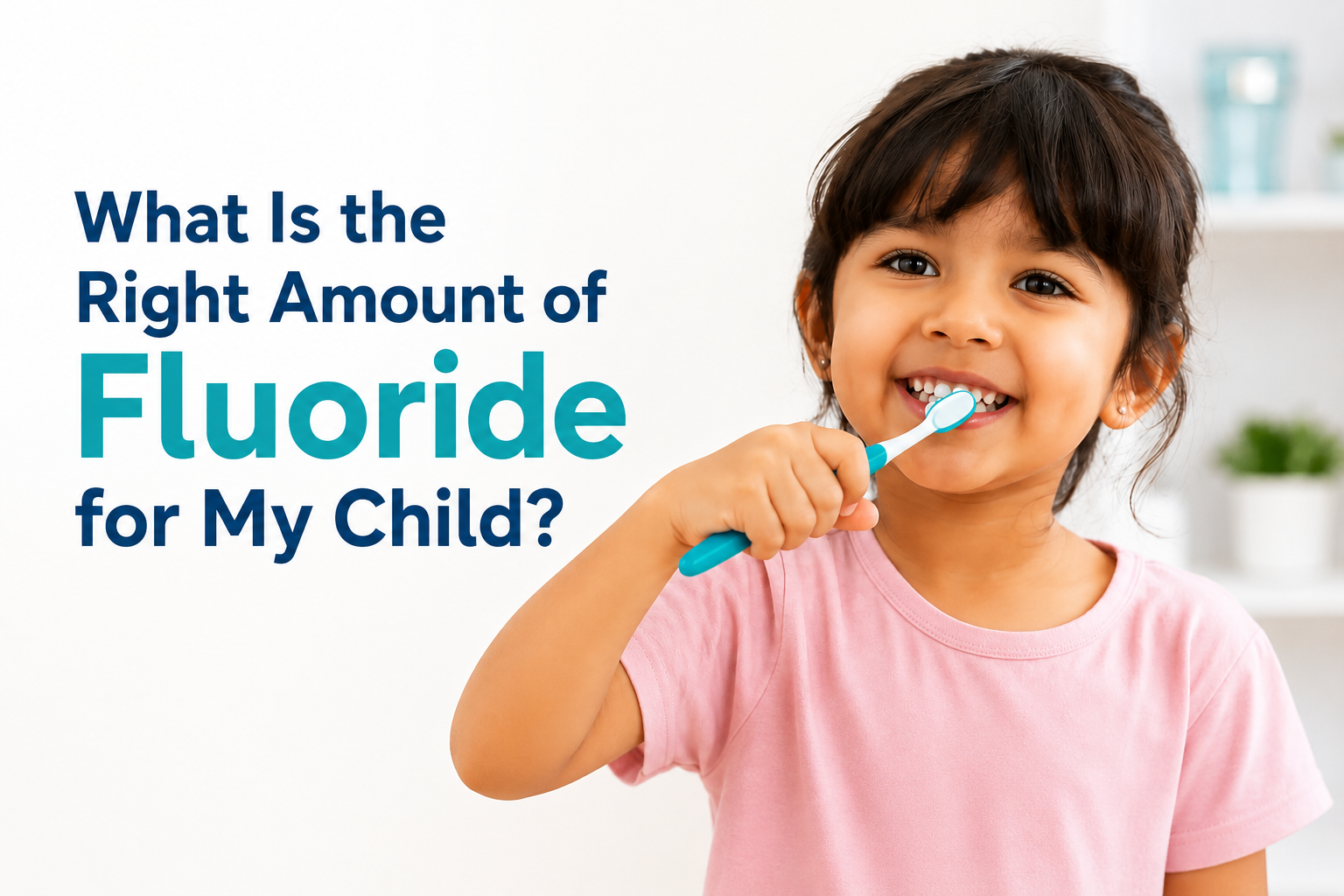
As a parent, you make countless decisions every day to help your child stay healthy, from choosing nutritious meals to encouraging good hygiene habits. One important question many parents ask is, “How much fluoride does my child really need?”
Some parents worry their child isn’t getting enough fluoride to prevent cavities, while others are concerned about using too much. The reassuring news is that fluoride has been extensively studied and is considered one of the safest and most effective ways to protect children’s teeth when used correctly. Dental experts, including the American Dental Association (ADA) and the American Academy of Pediatric Dentistry (AAPD), recommend fluoride as an essential part of children’s oral health from the time the first tooth appears.
In this guide, you’ll learn why fluoride is important, how it protects growing teeth, the right amount for every age, and how to use it safely.
Why Is Fluoride Important for Children?
Fluoride is a naturally occurring mineral found in water, soil, certain foods, and many dental products. Its main role is to strengthen tooth enamel, making teeth more resistant to the acids produced by bacteria and sugary foods.
Every day, your child’s teeth lose and regain minerals through a natural process called demineralization and remineralization. When children eat sugary snacks or drinks, bacteria produce acids that weaken enamel. Fluoride helps replace lost minerals, repairs early enamel damage, and strengthens teeth before cavities develop.
Benefits of Fluoride
- Helps prevent cavities before they start
- Strengthens developing teeth
- Repairs early enamel damage
- Makes teeth more resistant to acid attacks
- Reduces the need for fillings
- Supports lifelong oral health
Since baby teeth are essential for eating, speaking, and guiding permanent teeth into place, fluoride protection should begin as soon as the first tooth erupts.
How Does Fluoride Protect Teeth?
Think of tooth enamel as a protective shield. Every day, bacteria and acids slowly wear away this shield. Without fluoride, weak areas can develop into cavities. With fluoride, enamel becomes stronger and more resistant to damage.
Fluoride protects teeth in three important ways:
1. Strengthens Enamel
Fluoride combines with minerals in the enamel, creating a stronger surface that resists acid attacks.
2. Repairs Early Damage
Small areas of enamel damage can often be repaired naturally before they become cavities. Fluoride helps rebuild these weakened spots.
3. Reduces Harmful Bacteria
Fluoride also limits the ability of cavity-causing bacteria to produce harmful acids, reducing the risk of tooth decay.
What Is the Right Amount of Fluoride?
One of the biggest misconceptions is that more fluoride means better protection. In reality, children need the right amount, not the highest amount.
Fluoride Recommendations by Age
Birth to First Tooth
- Clean your baby’s gums with a soft, damp cloth.
- Toothpaste is not needed until the first tooth appears.
First Tooth to 3 Years
- Brush twice a day using a rice-sized smear of fluoride toothpaste.
Ages 3 to 6
- Use a pea-sized amount of fluoride toothpaste.
- Supervise brushing to prevent swallowing.
Ages 6 and Older
- Continue brushing twice daily with fluoride toothpaste.
- Encourage children to spit out toothpaste instead of swallowing it.
Most children need supervision while brushing until they are around 7 to 8 years old and can brush effectively on their own.
Is Fluoride Toothpaste Safe?
Yes. Fluoride toothpaste is safe for young children when used correctly.
The key is using the proper amount:
- A rice-sized smear for children under three years old.
- A pea-sized amount for children ages three to six.
Parents should help younger children brush, encourage them to spit out toothpaste after brushing, and store toothpaste out of reach to avoid accidental swallowing.
Where Do Children Get Fluoride?
Many parents think toothpaste is the only source of fluoride, but children may receive it from several places, including:
- Community drinking water
- Fluoride toothpaste
- Professional fluoride varnish treatments
- Fluoride mouth rinses (for older children when recommended)
- Fluoride supplements prescribed by a dentist or pediatrician
Your pediatric dentist can determine whether your child is receiving the right amount of fluoride based on their age, cavity risk, and drinking water source.
Does Every Child Need Professional Fluoride Treatments?
While brushing with fluoride toothpaste provides excellent daily protection, some children benefit from additional fluoride treatments at the dental office. A pediatric dentist may recommend fluoride varnish if your child is at a higher risk of developing cavities.
Professional fluoride treatments are often recommended for children who:
- Have had cavities before
- Frequently eat sugary snacks or drinks
- Have poor brushing habits
- Wear braces or orthodontic appliances
- Experience dry mouth
- Have weak or developing enamel
Fluoride varnish is quick, painless, and applied during a routine dental visit. It strengthens enamel and provides extra protection against tooth decay.
Fluoride and Drinking Water
Many parents wonder whether their child gets enough fluoride from drinking water alone. The answer depends on your local water supply.
In many communities, public tap water contains an optimal level of fluoride that helps reduce cavities in both children and adults. However, if your family mainly drinks bottled or well water, your child may receive less fluoride than recommended.
Rather than starting fluoride supplements on your own, talk with your pediatric dentist. They can evaluate your child’s fluoride intake and determine whether additional fluoride is necessary.
Can a Child Get Too Much Fluoride?
Like many healthy things, fluoride works best when used in the right amount. Using excessive fluoride toothpaste or taking fluoride supplements without professional guidance may increase the risk of dental fluorosis.
Dental fluorosis develops while permanent teeth are still forming beneath the gums, usually before eight years of age. Fortunately, most cases are mild and affect only the appearance of the teeth rather than their health.
Mild Fluorosis May Include:
- Small white streaks on teeth
- Faint white spots
- Slight enamel color changes
Parents can greatly reduce the risk by using the recommended amount of toothpaste, supervising brushing, and keeping toothpaste out of young children’s reach.
Common Mistakes Parents Should Avoid
Even parents with good intentions sometimes make small mistakes that reduce fluoride’s effectiveness.
Using Too Much Toothpaste
More toothpaste doesn’t provide extra protection. A rice-sized amount is enough for children under three, while a pea-sized amount is appropriate for children ages three to six.
Letting Children Brush Alone Too Early
Young children often swallow toothpaste instead of spitting it out. Supervise brushing until they develop proper brushing skills.
Believing Online Myths
There is a lot of misinformation about fluoride online. Trust recommendations from your pediatric dentist and respected organizations such as the ADA and AAPD.
Waiting Until Cavities Develop
Fluoride is preventive care. It works best before cavities appear, helping strengthen enamel and stop early damage.
Fluoride Myths vs. Facts
Myth: Fluoride is unsafe for children.
Fact: Fluoride is safe and effective when used in the recommended amounts.
Myth: Baby teeth don’t need fluoride.
Fact: Fluoride should be used as soon as the first tooth erupts to protect developing teeth.
Myth: More fluoride means stronger teeth.
Fact: Children benefit from the correct amount—not the largest amount.
Simple Tips for Parents
Healthy habits at home make a big difference in preventing cavities.
- Brush together twice a day.
- Make brushing fun with a two-minute timer or favorite song.
- Encourage your child to spit out toothpaste after brushing.
- Offer water instead of sugary drinks whenever possible.
- Schedule routine dental checkups every six months.
- Ask your pediatric dentist whether fluoride varnish is appropriate for your child.
Conclusion
Fluoride remains one of the safest and most effective ways to protect children’s teeth from cavities. When used in the right amount, it strengthens enamel, repairs early damage, and supports healthy smiles from infancy through adolescence.
Every child has unique dental needs based on age, diet, cavity risk, and drinking water. Following age-based fluoride recommendations, supervising daily brushing, and visiting a pediatric dentist regularly will help ensure your child receives the right level of protection.
At Smile Explorers Pediatric Dentistry, we’re dedicated to helping every child enjoy a healthy, confident smile. Whether your little one is visiting for their first dental appointment or needs preventive fluoride treatment, our friendly team is here to provide gentle, personalized care. Schedule your child’s visit today and give them the strongest possible start toward a lifetime of healthy smiles.
Can Children Experience Tooth Sensitivity?
Yes, children can experience tooth sensitivity. If your child suddenly complains that their teeth hurt when eating ice cream, drinking something cold, eating sweets, or even brushing, tooth sensitivity may be one possible reason. For parents, it can be difficult to know whether the discomfort is simply temporary or a sign of a dental problem. Children may describe sensitivity as a “hurt,” “sting,” or “funny feeling,” and younger children may not be able to explain exactly where the discomfort is coming from. The good news is that tooth sensitivity in children is often manageable once the underlying cause is identified. Cavities, enamel wear, newly erupting teeth, dental injuries, and certain brushing habits can all contribute to sensitivity.
What Is Tooth Sensitivity?
Tooth sensitivity happens when the inner layers of a tooth become more exposed or vulnerable to outside stimulation. The outside of a tooth is protected by enamel. Underneath the enamel is dentin, which contains microscopic pathways that can transmit sensations toward the nerve inside the tooth. When dentin becomes exposed because of enamel wear, decay, a crack, or another dental issue, certain triggers may cause a short, sharp sensation. A child with sensitive teeth may notice discomfort when exposed to:-
- Cold drinks or ice cream
- Hot foods or beverages
- Sweet foods
- Sour or acidic foods
- Tooth brushing
- Cold air
- Biting or chewing
Not every episode of tooth pain means a child has sensitive teeth, though. A pediatric dental examination can help determine what is actually causing the discomfort.
What Causes Tooth Sensitivity in Children?
There isn’t one single cause of tooth sensitivity in children. Some causes are temporary, while others may require dental treatment.
1. Cavities and Tooth Decay
Cavities are a common reason children may experience tooth sensitivity. As tooth decay progresses, it can weaken the enamel and affect the deeper layers of the tooth. A child may begin to complain about sensitivity when eating sweets or drinking something cold. If the sensitivity consistently affects one particular tooth, parents should not assume it will disappear on its own. A dental examination can determine whether decay or another problem is involved.
2. Newly Erupting Permanent Teeth
Children can sometimes experience temporary discomfort as their permanent teeth come in. During the transition from baby teeth to permanent teeth, the mouth is going through significant changes. Some children may notice sensitivity or tenderness around newly erupting teeth. However, ongoing or worsening discomfort should still be evaluated rather than automatically attributed to normal tooth eruption.
3. Enamel Wear or Enamel Defects
Enamel protects the more sensitive structures underneath the tooth. If enamel becomes worn or develops improperly, teeth may become more sensitive. Frequent exposure to acidic foods and drinks can contribute to enamel erosion. In some children, enamel may also have developed differently, making certain teeth more vulnerable. A pediatric dentist can examine the enamel and determine whether additional preventive care is needed.
4. Brushing Too Hard
Brushing is essential for healthy teeth, but more pressure does not mean cleaner teeth. Children who brush aggressively may irritate their gums or contribute to enamel wear over time. A soft-bristled toothbrush and gentle brushing technique are generally better choices. Parents can help younger children learn how to brush thoroughly without using excessive force.
5. Cracked, Chipped, or Injured Teeth
Children are active, and falls, sports injuries, or accidents can sometimes damage a tooth. A small crack or chip may not always be obvious. However, the tooth may become sensitive when the child bites, chews, or drinks something cold. If sensitivity begins after an injury, it is important to have the tooth checked, even when there is no major visible damage.
6. Dental Treatment
Some children may experience temporary sensitivity following certain dental procedures. For example, a tooth that has recently received treatment may feel different for a short period. Your pediatric dentist can explain what type of discomfort is expected and when you should contact the office again. If pain is severe, continues, or becomes worse instead of improving, the child should be evaluated.
7. Teeth Grinding
Some children grind or clench their teeth, particularly during sleep. Repeated grinding can put additional stress on the teeth and may contribute to enamel wear or dental discomfort. If you notice frequent nighttime grinding along with tooth sensitivity, mention it during your child’s dental visit.
How Can Parents Tell If a Child Has Sensitive Teeth?
Children do not always use the words “tooth sensitivity.” Instead, parents may notice changes in their behavior. Look for signs such as:
- Complaining when drinking cold water
- Avoiding ice cream or cold foods
- Saying that sweets make a tooth hurt
- Pulling away while brushing
- Chewing on only one side of the mouth
- Avoiding certain foods
- Complaining about pain when biting
- Repeatedly pointing to the same tooth
Younger children may simply become upset during meals or brushing without being able to explain why. Paying attention to when the discomfort occurs can provide useful information for the pediatric dentist.
When Should You Take Your Child to a Pediatric Dentist?
Occasional, short-lived sensitivity may not always indicate a serious problem, but recurring or unexplained tooth pain should not be ignored. Schedule a dental evaluation if your child:
- Has repeated sensitivity
- Has pain in one specific tooth
- Avoids eating because of discomfort
- Has pain when biting or chewing
- Has a visible cavity, crack, or chip
- Develops swelling around the tooth or gums
- Experiences sensitivity after a dental injury
- Has pain that is becoming more frequent or severe
A dentist can examine the teeth and gums and determine whether the sensitivity is related to decay, enamel concerns, eruption, injury, or another condition.
How Is Tooth Sensitivity in Children Treated?
Treatment depends on the underlying cause. For some children, improving brushing habits and protecting the enamel may be enough. In other cases, professional dental treatment may be necessary. Depending on the situation, a pediatric dentist may recommend:
Fluoride Protection
Fluoride helps strengthen tooth enamel and can be an important part of children’s preventive dental care. Your dentist can recommend the appropriate fluoride care based on your child’s age and individual needs.
Treating Cavities
If tooth sensitivity is caused by decay, treating the cavity can address the underlying problem and help protect the tooth from further damage.
Repairing a Damaged Tooth
A cracked, chipped, or significantly damaged tooth may require restorative treatment to protect it and restore normal function.
Improving Brushing Habits
A soft toothbrush, gentle pressure, and proper brushing technique can help protect the enamel and gums.
Managing the Underlying Cause
If sensitivity is connected to teeth grinding, enamel concerns, eruption, or another condition, the pediatric dentist can recommend an appropriate approach after examining your child. Parents should avoid choosing dental treatments or sensitivity products based only on age or online recommendations. The right approach depends on the child’s teeth, age, symptoms, and underlying cause.
How Can You Help Prevent Sensitive Teeth?
Good daily habits can help protect your child’s teeth and reduce the risk of problems that may contribute to sensitivity. Encourage your child to:-
- Brush twice a day using an age-appropriate fluoride toothpaste
- Use a soft-bristled toothbrush
- Brush gently rather than aggressively
- Clean between teeth as recommended by their dentist
- Limit frequent sugary snacks and drinks
- Avoid excessive acidic drinks
- Drink water regularly
- Wear appropriate protective equipment during sports
- Visit a pediatric dentist regularly
Regular dental examinations are particularly important because children may not always recognize or communicate early dental problems.
Why Regular Pediatric Dental Visits Matter
Children’s teeth are constantly changing. Baby teeth eventually make way for permanent teeth, while the jaw and mouth continue developing. Regular pediatric dental visits allow the dentist to monitor this development and identify problems before they become more complicated. Smile Explorers recommends starting dental visits early, with the first visit around the time a child’s first tooth appears or by their first birthday. At Smile Explorers Pediatric Dentistry, children receive age-appropriate dental care in a child-friendly environment. The practice provides services including cleanings, fluoride treatments, dental sealants, emergency pediatric dentistry, and care for children with special needs.
Can Tooth Sensitivity in Children Go Away on Its Own?
Sometimes, sensitivity can be temporary. For example, a child may experience short-term discomfort around a newly erupting tooth or following certain dental situations. But persistent or recurring sensitivity deserves attention. The important question isn’t simply, “How do I stop my child’s sensitive teeth?” It is “Why is the tooth sensitive?” Finding the cause is the best way to decide whether your child needs preventive care, monitoring, or dental treatment.
Help Your Child Feel Comfortable About Dental Care
If your child is experiencing tooth sensitivity, you don’t have to guess what’s causing it. A pediatric dental examination can help identify the problem and determine the most appropriate next step. At Smile Explorers Pediatric Dentistry in Glendale, AZ, Dr. Mukul Dave and the team provide gentle, child-focused dental care for infants, toddlers, children, and teens. The practice serves families in Glendale, Deer Valley, Anthem, Norterra, and surrounding areas. If your child is complaining about sensitive teeth, contact Smile Explorers to schedule a dental evaluation and get personalized guidance for their smile.
Call Smile Explorers Pediatric Dentistry at 623-322-2277 or request an appointment online.