


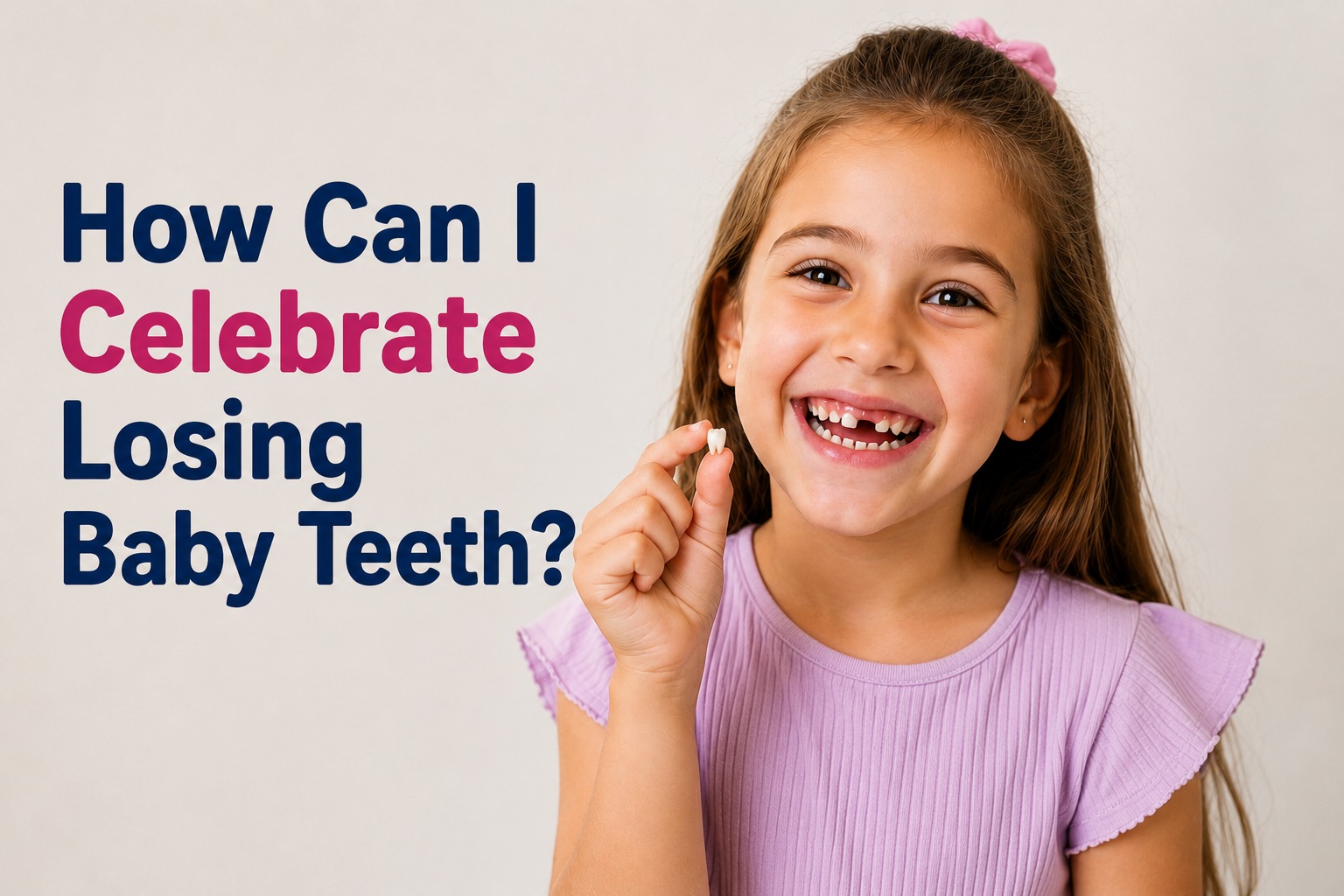
How Can I Celebrate Losing Baby Teeth? it’s a mix of excitement, curiosity, and sometimes a little nervousness. One day they’re proudly showing off a wiggly tooth, and the next they’re placing it under their pillow, hoping the Tooth Fairy will visit.
As a parent, you can turn this natural stage of growing up into a fun and memorable family tradition. Celebrating the loss of baby teeth doesn’t require expensive gifts or elaborate surprises. Simple moments can become lasting memories while helping your child develop a positive attitude toward oral health.
At Smile Explorers Pediatric Dentistry, we believe every stage of your child’s dental journey deserves to be celebrated. From the first baby tooth to the arrival of permanent teeth, positive experiences help children build confidence and healthy habits that last a lifetime.
Why Losing Baby Teeth Is an Important Milestone
A loose tooth is more than just a sign that your child is growing up. Baby teeth play an important role before they naturally fall out. They help children:
- Chew food properly
- Speak clearly
- Hold space for permanent teeth
- Guide adult teeth into the correct position
- Support healthy jaw development
Most children begin losing their first baby tooth between ages 5 and 7, although every child develops at their own pace. Some children lose teeth a little earlier or later, and that’s often completely normal.
As permanent teeth grow underneath, the roots of baby teeth slowly dissolve until the tooth becomes loose and falls out naturally. This process can take several weeks or even months and is usually painless.
Signs a Baby Tooth Is Ready to Fall Out
Parents often wonder when it’s the right time for a tooth to come out. Here are some common signs that your child’s tooth is almost ready:
- The tooth wiggles easily from side to side.
- Your child feels mild pressure while eating or brushing.
- A permanent tooth may begin appearing behind or underneath the baby tooth.
- A small amount of bleeding may occur once the tooth falls out.
These signs usually mean everything is progressing normally.
Should You Pull a Loose Baby Tooth?
In most cases, the answer is no.
It’s best to let the tooth fall out naturally. Pulling it too early can:
- Cause unnecessary pain
- Irritate or damage the gums
- Increase bleeding
- Make children fearful of future dental visits
Instead, encourage your child to gently wiggle the tooth with clean hands. Eating crunchy foods like apples or carrots can sometimes help loosen a ready tooth naturally. Continue normal brushing and flossing, and be patient while nature takes its course.
If a loose tooth becomes painful or doesn’t seem to progress normally, contact your pediatric dentist for advice.
Fun Ways to Celebrate Losing Baby Teeth
Losing a tooth is an exciting achievement, and celebrating it can make the experience even more special.
Create a Tooth Fairy Tradition
Many families enjoy the Tooth Fairy tradition. You can make it more memorable by:
- Leaving a handwritten Tooth Fairy note
- Sprinkling a little “fairy dust”
- Giving a small book instead of candy
- Including a new toothbrush or fun sticker
These ideas keep the focus on healthy smiles instead of sugary treats.
Start a Tooth Milestone Journal
Create a scrapbook where your child records:
- The date each tooth falls out
- Which tooth was lost
- How they felt
- A photo of their new smile
Over time, this becomes a wonderful keepsake filled with happy memories.
Make a “Growing Up” Certificate
Children love recognition. Create a colorful certificate celebrating their achievement with:
- Their name
- The date
- Which tooth they lost
- A fun signature from the Tooth Fairy or a parent
It’s a simple way to make your child feel proud of this exciting milestone.
More Creative Ways to Celebrate Losing Baby Teeth
Once your child loses a baby tooth, you can make the moment even more memorable with simple family traditions that encourage healthy habits and create lasting memories.
Read a Tooth Fairy Story Together
Instead of focusing only on receiving money from the Tooth Fairy, spend time reading a fun bedtime story about growing healthy smiles. This creates a comforting routine while encouraging a love for reading and helping your child understand that losing baby teeth is a normal part of growing up.
Take a “Gap-Toothed” Photo
Your child’s smile changes quickly during these years. Capture each milestone by taking a picture whenever they lose a tooth. Over time, you can create a “Growing Smile” photo album that becomes a treasured family keepsake.
Celebrate with Healthy Treats
A celebration doesn’t have to include candy. Choose tooth-friendly snacks that are both fun and nutritious, such as:
- Fresh fruit smoothies
- Yogurt parfaits
- Cheese cubes
- Apple slices
- Frozen bananas
- Homemade fruit popsicles
These healthy choices support strong teeth while making the day feel special.
Use a Tooth Pillow or Keepsake Box
Many families enjoy using a small Tooth Fairy pillow or a keepsake box to store baby teeth. These simple traditions add excitement and become meaningful memories your child will remember for years.
Helping Children Feel Comfortable About Losing Teeth
While many children are excited about a loose tooth, others may feel nervous or even scared. Parents play an important role in making this milestone a positive experience.
Stay Positive
Children often copy their parents’ emotions. If you stay calm, encouraging, and excited, your child is more likely to feel confident.
Explain What Is Happening
Use simple language your child can understand.
For example:
“Your grown-up tooth is getting ready to come in, so your baby tooth is making room for it.”
Understanding what’s happening helps reduce fear and uncertainty.
Never Force a Loose Tooth
If your child isn’t ready to wiggle the tooth, don’t pressure them. Baby teeth usually fall out naturally when they’re ready.
Praise Their Bravery
Positive encouragement builds confidence. Celebrate your child’s courage with simple phrases like:
- “You’re growing up!”
- “I’m proud of you.”
- “You’re taking great care of your smile.”
When Should Parents Call a Pediatric Dentist?
Most children lose baby teeth without any problems, but there are situations where a dental visit is recommended.
Contact your pediatric dentist if:
- A baby tooth becomes loose after an injury.
- A permanent tooth starts growing behind the baby tooth (“shark teeth”).
- A loose tooth causes severe pain.
- There is heavy or persistent bleeding.
- Your child has not started losing baby teeth by around ages 7–8.
- You notice swelling, infection, or unusual changes around the tooth.
Early evaluation helps prevent future dental problems and ensures healthy tooth development.
Healthy Habits During This Stage
Losing baby teeth is the perfect opportunity to reinforce good oral hygiene habits that will protect your child’s permanent teeth.
Encourage your child to:
- Brush twice a day with fluoride toothpaste.
- Floss every day.
- Drink plenty of water.
- Eat fruits, vegetables, and other tooth-friendly foods.
- Limit sugary snacks and drinks.
- Visit the pediatric dentist every six months.
These simple daily habits help keep both baby teeth and permanent teeth healthy.
Conclusion
Losing baby teeth is one of childhood’s most exciting milestones and an important step toward a healthy adult smile. By celebrating each loose tooth with simple traditions, encouraging healthy dental habits, and offering reassurance, parents can turn this stage into a positive and memorable experience.
Remember that every child develops at their own pace. If you ever have concerns about your child’s dental development or loose teeth, don’t hesitate to seek guidance from a trusted pediatric dentist.
At Smile Explorers Pediatric Dentistry, we’re proud to help children and families celebrate every stage of a healthy smile. Whether your child is losing their very first baby tooth or getting ready for their permanent smile, our caring team is here to provide gentle, personalized dental care.
Schedule your child’s next dental visit today and let us help keep every growing smile healthy, happy, and confident.