


Why Early Palatal Expansion May Matter for Your Child
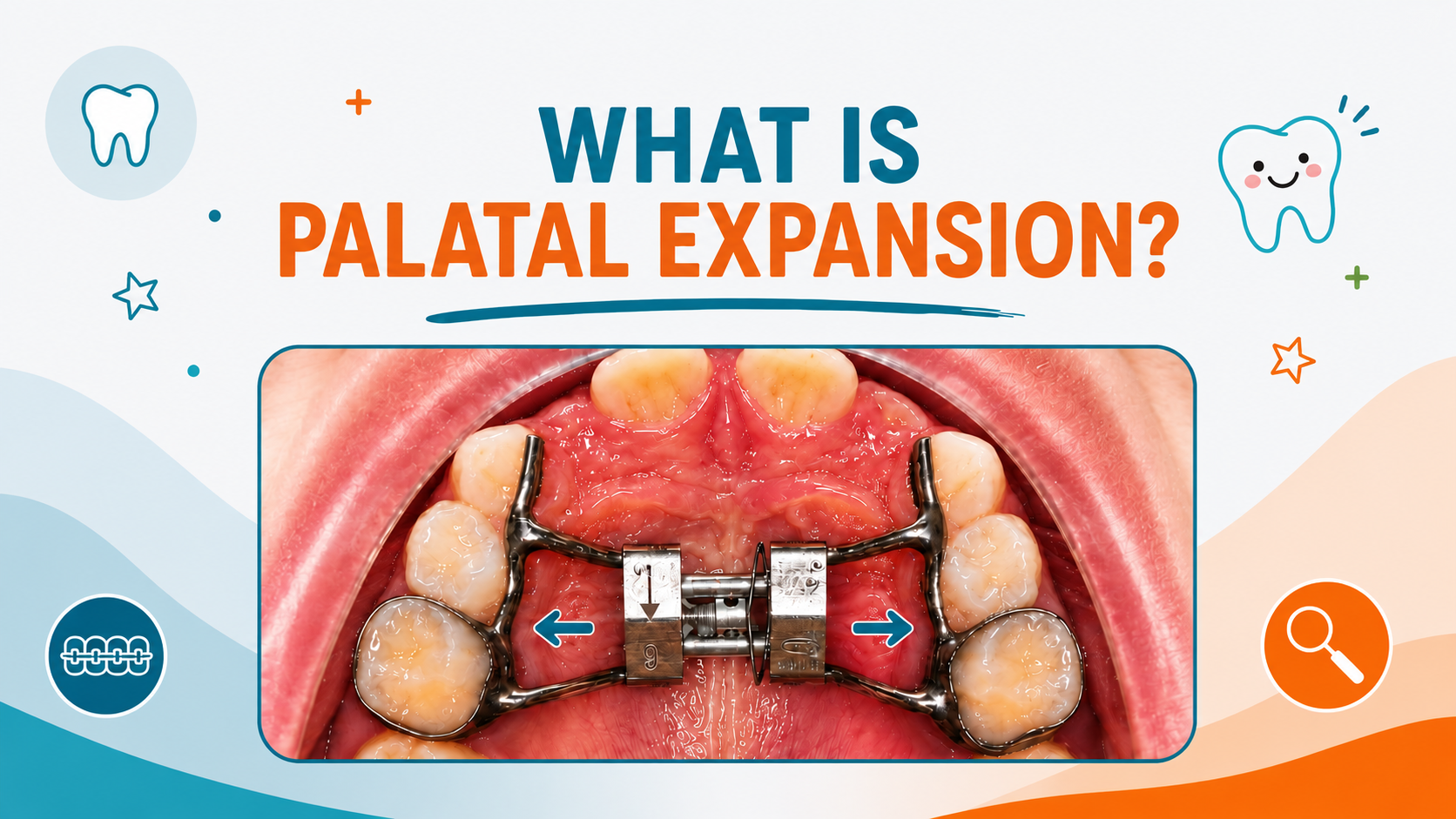
When parents hear the words orthodontic treatment, they often picture braces and straight teeth. But orthodontics for children isn’t always about straightening teeth. Sometimes, the bigger question is how the upper and lower jaws are developing and how much room there is for the permanent teeth to come in properly. One treatment that may be recommended for some growing children is palatal expansion. So, what exactly is it—and why might timing matter?
What Is Palatal Expansion?
The palate is the roof of the mouth and forms part of the upper jaw, or maxilla. In some children, the upper jaw is relatively narrow compared with the lower jaw. This can contribute to problems such as a posterior crossbite, dental crowding, or an uneven relationship between the upper and lower teeth. Palatal expansion uses an orthodontic appliance to gradually widen the upper jaw. The appliance applies controlled pressure to the upper jaw so that the upper dental arch can become wider. The American Academy of Pediatric Dentistry recognizes the importance of monitoring developing teeth and jaws and notes that early diagnosis can help determine the appropriate timing and sequence of treatment.
But does every child with a narrow palate need an expander?
No.
That’s an important point. Palatal expansion isn’t a one-size-fits-all treatment. A child may have a narrow-looking arch but not require expansion. Another child may have a crossbite or transverse jaw discrepancy where expansion is appropriate. The decision depends on the child’s growth, dental development, bite, jaw relationships, available space and individual treatment needs.
Why Does Early Evaluation Matter?
Children’s mouths and jaws change considerably as they grow. That means there can be a window during childhood when certain orthodontic problems can be addressed as the jaws are developing. An early evaluation doesn’t necessarily mean that treatment will begin immediately.
Sometimes the best recommendation is simply:-
“Let’s watch the growth and check again later.”
That’s actually one of the benefits of an early evaluation—you don’t have to guess. The American Association of Orthodontists notes that an early examination can identify developing jaw-growth and tooth-position concerns and, when appropriate, allow treatment such as palatal expansion to be considered while a child is still growing.
What Problems Can Palatal Expansion Address?
Depending on the child’s diagnosis, expansion may be used to address issues such as:
1. Posterior Crossbite
A crossbite occurs when some of the upper back teeth bite inside the lower teeth rather than outside them. Crossbites can have different causes, so an examination is important before deciding on treatment. The AAPD notes that posterior crossbites may be dental, skeletal, or a combination of factors, and that treatment should be based on the child’s overall needs.
2. A Narrow Upper Dental Arch
When the upper arch is too narrow, the upper teeth may not fit comfortably with the lower teeth. Expansion can help establish a more appropriate width relationship between the arches when that is the underlying problem.
3. Limited Space for Developing Teeth
A narrow upper arch can sometimes contribute to crowding. In appropriate cases, widening the upper arch can create additional room for developing teeth and may improve their eruptive path. However, expansion isn’t a guarantee that a child will never need braces or other orthodontic treatment later.
4. Developing Bite Problems
Sometimes expansion is one part of a larger orthodontic treatment plan. The goal isn’t simply to make the smile wider. It’s to create a healthier relationship between the teeth and jaws and support normal dental development.
What Does an Expander Actually Do?
A palatal expander is an orthodontic appliance designed to widen the upper jaw or dental arch, depending on the type of appliance and the child’s stage of development. Some expanders are fixed in the mouth, while others are removable. For children who are still growing, certain types of expansion can take advantage of the developing structures of the upper jaw. The exact mechanism and amount of skeletal versus dental change depend on the child’s age, growth pattern, appliance and diagnosis. That’s why an individualized evaluation is so important. The goal isn’t to expand every child’s palate. The goal is to determine whether expansion is appropriate for that particular child.
What Signs Should Parents Watch For?
Parents may want to ask their pediatric dentist or orthodontic provider about an evaluation if they notice:-
- Crowded or overlapping teeth
- A posterior crossbite
- A noticeably narrow or high palate
- Teeth that don’t seem to fit together properly
- Difficulty finding enough space for erupting permanent teeth
- A noticeable difference between the width of the upper and lower arches
You may also hear about mouth breathing or snoring when discussing airway-focused orthodontic care. These symptoms can have many different causes, however, and palatal expansion should not be presented as a universal treatment for breathing or sleep problems. Children with persistent snoring or other sleep-related concerns should be appropriately evaluated by their healthcare providers.
Is Earlier Always Better?
Not necessarily.
This is probably one of the most important things parents should understand. “Early intervention” doesn’t mean start treatment as early as possible. It means identifying potential problems early enough to understand the available options and choose the appropriate timing. For one child, that might mean treating a crossbite relatively early. For another child, it might mean monitoring growth for a while. And for another, expansion may not be needed at all. The AAPD specifically emphasizes that treatment timing should be based on clinical examination, diagnosis, growth and development, and the individual child’s needs.
What Happens During an Early Evaluation?
An evaluation typically begins with a conversation about your child’s dental development and any concerns you’ve noticed. The dental team may assess:
✓ Facial and jaw development
✓ The relationship between the upper and lower teeth
✓ Dental crowding and available space
✓ Crossbites or other bite discrepancies
✓ Tooth eruption and development
✓ The shape and width of the dental arches
Depending on the situation, photographs, digital scans or appropriate X-rays may also be recommended. From there, the provider can explain whether your child needs treatment now, should be monitored, or would benefit from referral to an orthodontic specialist.
What Can Parents Expect If Expansion Is Recommended?
If palatal expansion is recommended, your dental or orthodontic team will explain:-
- Which type of appliance is appropriate
- How it will be placed
- How activation will work, if required
- How long the active expansion phase may take
- What your child may feel during treatment
- How often follow-up appointments are needed
- What happens after the desired expansion is achieved
Some children experience temporary pressure, tightness or changes in how their teeth feel during the adjustment period. Your provider will give you specific instructions for your child’s appliance and treatment plan.
The Goal Is More Than a Straight Smile
A child’s developing smile is part of a much bigger picture. Good orthodontic care looks at growth, function, bite, tooth development and facial development—not just whether the teeth look straight. And sometimes, the most valuable thing an early orthodontic evaluation provides is not treatment.
It’s information.
Knowing what is happening with your child’s developing jaws and teeth gives you the opportunity to make an informed decision about whether, when and how treatment should be considered. If you’ve noticed crowding, a crossbite, a narrow upper arch or concerns about your child’s developing bite, talk with your pediatric dentist or orthodontic provider about whether an early evaluation would be helpful. Because when it comes to growing smiles, timing matters—but the right timing is different for every child.
A note for parents
Palatal expansion is a specialized orthodontic treatment and isn’t appropriate for every child. Treatment recommendations should be based on an in-person examination and, when indicated, appropriate diagnostic records. This article is intended for general education and should not replace individualized dental or orthodontic advice.
Smile Explorers Pediatric Dentistry
Helping children build healthy smiles from the start.